
Committed to Changing Lives, One Story at a Time
At The Man Who Never Was, we believe that compassion, truth, and action can reshape communities. Our mission is to shed light on the unseen struggles in health and social care—giving a voice to the forgotten, the misunderstood, and the invisible.



About Us
A Movement For Dignity And Well-Being
Health is more than the absence of disease—it’s the presence of hope, equality, and care. At The Man Who Never Was, we explore the intersections of healthcare, mental wellness, and social justice. Our work bridges stories and solutions, bringing together individuals, professionals, and advocates who believe everyone deserves to live with dignity.
Expert Medical Professionals
Advanced Medical Technology
Comprehensive Care Services
24/7 Emergency Services
Our Services
Our Focus Areas
We’re on a mission to connect hearts, heal divides, and transform the way the world sees health and humanity.

Mental Health Awareness
Breaking the silence around anxiety, depression, and trauma. We provide resources, share real stories, and help people find hope again.

Elder and Home Care Advocacy
Championing dignity in aging. From policy discussions to caregiver support, we work to ensure older adults are treated with respect and compassion.

Public Health & Equity
Highlighting global and local disparities in access to healthcare. We bring attention to the social determinants that shape human lives.

Community Empowerment
Empowering people to act—because true transformation starts with awareness that leads to empathy, and empathy that drives change.
How B2B Teams Capture Demand Before the Form Fill
A form submission is often treated as the beginning of a B2B buying journey. In reality, it is usually the first moment the buyer becomes visible.
Long before someone books a demo or shares an email address, they may have visited the website several times, compared solutions, read product content, checked integrations, reviewed pricing, watched a video, or shared useful pages with colleagues.
All of that activity can happen while the buyer remains anonymous.
For modern B2B teams, the opportunity is not to force those visitors into forms earlier. It is to understand the signals they are already creating and use those signals to make smarter marketing and sales decisions.
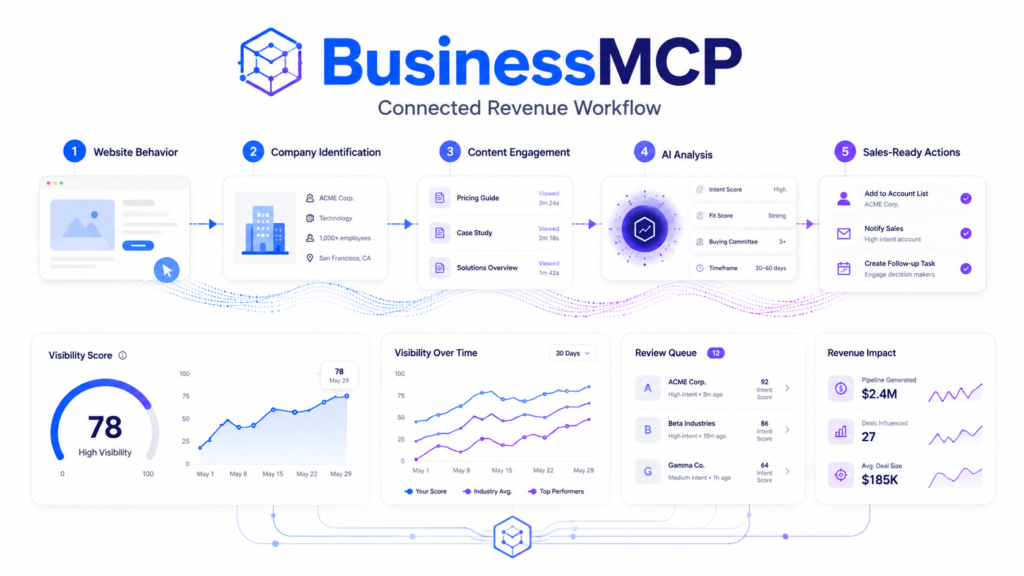
The strongest demand capture strategy connects website behavior, account fit, intent, content engagement, qualification, and revenue workflows. When those elements work together, marketing can recognize meaningful demand before a traditional lead appears.
Why Form Fills Show Only Part of Buyer Demand
Lead generation has traditionally revolved around known conversions.
A visitor downloads an ebook.
Someone requests a demo.
A prospect signs up for a webinar.
A buyer completes a contact form.
These actions are valuable because they create known contacts. But they represent only one point in a much longer journey.
Modern B2B buyers often prefer independent research.
Before speaking with sales, they may:
- Read several educational articles
- Visit product pages repeatedly
- Review pricing
- Explore integrations
- Compare competitors
- Read customer stories
- Review implementation details
- Share pages with other stakeholders
If marketing measures only completed forms, much of this research disappears into anonymous traffic.
That creates a visibility gap.
The goal of pre-form demand capture is to close that gap without treating every visitor as a sales-ready lead.
Anonymous Traffic Is Incomplete Evidence
Anonymous website activity is valuable, but it needs context.
A single pageview does not tell you whether somebody is interested in buying.
The visitor could be a customer, competitor, job seeker, researcher, student, partner, or bot.
Several related actions provide more useful evidence.
For example, consider two visitors.
The first reads one general article and leaves.
The second returns three times within ten days, views the product page, checks integrations, reads two customer stories, and visits pricing.
The second journey presents a stronger commercial pattern.
Useful website signals can include:
- Return visits
- Product-page engagement
- Pricing activity
- Integration research
- Case-study views
- Comparison pages
- Video engagement
- High scroll depth
- CTA clicks
- Form starts
- Multiple engaged visitors from one company
The important word is pattern.
Revenue teams should rarely make a major decision from one isolated event.
Separate Activity From Intent
Activity tells you what happened.
Intent helps you estimate what the activity might mean.
A visitor reading a blog article about a broad industry problem is demonstrating topical interest.
A visitor repeatedly exploring pricing, integrations, customer proof, and implementation material may be evaluating a solution.
That does not prove a purchase decision is coming.
It simply provides a stronger basis for prioritization.
Teams can build a simple intent hierarchy.
| Website Signal | Typical Intent Level |
|---|---|
| General blog visit | Low |
| Repeat educational visit | Low–Medium |
| Product-page research | Medium |
| Case study engagement | Medium |
| Integration research | Medium–High |
| Comparison content | High |
| Pricing-page activity | High |
| Repeated commercial visits | High |
The exact weighting should reflect your market and sales cycle.
A $500 monthly SaaS product will have a different buying journey from a six-figure enterprise platform.
First-Party Signals Should Come First
B2B marketers now have access to many different kinds of intent information.
First-party signals are especially valuable because they come directly from interactions with your company.
These can include website activity, CRM data, email engagement, product activity, events, campaigns, and content consumption.
Third-party intent data can add useful market context, but it should generally support rather than replace first-party behavior.
If a target account is actively researching your own product pages, that signal often deserves closer attention than a broad external indication that the company is interested in your category.
Teams should document four things for every important signal:
Source: Where did the signal come from?
Freshness: How recent is it?
Confidence: How reliable is the interpretation?
Action: What should happen when the threshold is reached?
This turns vague intent data into an operating process.
Start With Account Fit
Behavior alone is not enough.
A company can generate strong website activity and still be completely wrong for your business.
That is why account fit should sit alongside intent.
Useful fit criteria may include:
- Industry
- Company size
- Geography
- Revenue
- Business model
- Technology environment
- Strategic account status
- Existing CRM relationship
Imagine a perfect-fit enterprise company visits your pricing and integration pages twice this week.
Now imagine an unrelated microbusiness does the same.
The website behavior is similar.
The revenue potential is very different.
Combining fit + intent + recency creates a much stronger prioritization model.
See the Demand Before the Form
BusinessMCP helps B2B teams connect anonymous visitor behavior with company context, journey data, and revenue signals so stronger accounts can be reviewed earlier.
Explore BusinessMCP
Use Content to Reveal Buyer Progress
Content is one of the clearest places where hidden demand becomes visible.
A buyer may begin with:
“What is this problem?”
Then move to:
“How do companies solve it?”
Later:
“Which approach is best?”
And eventually:
“Which vendor should we choose?”
Your content architecture should support those stages.
Awareness Content
Educational articles, research, trend pieces, and thought leadership introduce the problem.
The next step should remain low friction.
Offer related content, frameworks, or deeper education.
Consideration Content
Solution pages, implementation guides, use cases, and customer stories help buyers understand possible approaches.
This is where stronger product exploration becomes appropriate.
Evaluation Content
Pricing, comparisons, security, integrations, demos, and detailed product material serve buyers closer to a decision.
More direct CTAs make sense here.
The key is matching the next action to the buyer’s level of commitment.
Do Not Force Every Visitor Into a Form
A common mistake in lead generation is adding forms everywhere.
Want the guide?
Fill out a form.
Want the checklist?
Fill out another form.
Want to see pricing?
Give us your details.
Aggressive gating may increase known contacts while reducing the overall quality of the buyer experience.
Instead, ask whether the information exchange makes sense.
If a visitor is reading early educational content, ungated value may help build trust.
If someone wants a tailored assessment, detailed benchmark, personalized recommendation, or sales conversation, asking for information is more reasonable.
A good CTA should feel like a service to the reader rather than a tax on accessing useful information.
Turn Pre-Form Signals Into Lead Priority
Once website behavior and account fit are available, teams can create simple qualification tiers.
Tier 1: High Priority
Strong account fit combined with recent commercial behavior.
Examples:
- Repeat pricing visits
- Product and integration research
- Multiple stakeholders
- Comparison-page engagement
These accounts may deserve immediate research.
Tier 2: Developing Interest
Good account fit with moderate engagement.
Examples:
- Repeat product visits
- Case study activity
- Educational-to-commercial progression
These accounts may stay in nurture or account-based marketing.
Tier 3: Weak Signal
Poor fit, low engagement, or insufficient data.
These accounts should not consume the same resources as stronger opportunities.
This structure prevents sales teams from being overwhelmed by weak alerts.
Better Visibility Improves Timing
The value of demand capture is not simply identifying more activity.
It is improving when marketing or sales responds.
A sales representative contacting a company six months before serious research begins may be ignored.
The same message sent while the account is actively evaluating the problem may create a useful conversation.
That is why timing matters.
This wider approach also matters when revenue teams compare emerging AI visibility platforms or research a Profound alternative, because the important question is not simply which platform produces another dashboard. The better question is whether the information can be connected with actual account context, buyer activity, qualification, and revenue action.
Technology should help teams understand when a signal becomes meaningful.
It should not simply create more alerts.
Company Identification Should Stay Account-Level
Website visitor identification can help teams understand which organizations may be generating anonymous activity.
That creates useful context.
A target company returning to pricing is more interesting than an anonymous pricing session with no business context.
But company identification should not be overstated.
BusinessMCP currently describes company-level visitor identification through a cookieless script and states that realistic identification is around 20–35% of B2B traffic rather than every visit.
That distinction is important.
Account identification does not automatically tell you which employee visited or whether that person has decision-making authority.
Sales should receive useful account context, not false certainty.
Build Personalized Journeys Without Being Intrusive
Good personalization makes the buyer experience more relevant.
Bad personalization makes visitors feel watched.
Suppose an account repeatedly explores integration pages.
Instead of displaying:
“We noticed your company has been researching integrations.”
The website could simply surface more implementation resources, technical documentation, or related customer stories.
The same principle applies to outbound sales.
Use behavioral insight internally to improve research.
Do not make hidden browsing behavior the message itself.
Useful personalization inputs can include:
- Content topic
- Funnel stage
- Account type
- Industry
- Campaign source
- Recent page sequence
- New vs. returning activity
- Existing CRM relationship
Personalization should reduce friction and answer the buyer’s next question.
Marketing and Sales Need the Same Definition of Demand
Demand capture becomes difficult when marketing and sales disagree about what counts as meaningful interest.
Marketing might call an account highly engaged after several content sessions.
Sales may care more about:
- Target-account fit
- Pricing research
- Commercial-page activity
- Existing opportunities
- Buying roles
- Timing
Both perspectives are useful.
Teams should create a shared signal taxonomy.
For every signal, define:
| Field | Example |
|---|---|
| Signal | Pricing viewed twice |
| Fit | Target enterprise account |
| Confidence | High |
| Owner | Account executive |
| Recommended action | Research account |
| Time window | Past 7 days |
The clearer the handoff, the more likely sales will trust the system.
Build a Repeatable Revenue Workflow
A practical demand capture workflow can follow six steps.
1. Capture
Measure meaningful website and campaign activity.
2. Connect
Bring relevant analytics, CRM, revenue, campaign, and account data together.
3. Enrich
Add company context such as industry, size, and technology where appropriate.
4. Prioritize
Combine fit, behavior, recency, and buying stage.
5. Activate
Send the account to the right marketing, advertising, nurture, or sales workflow.
6. Measure
Review meetings, opportunities, pipeline, revenue, and rejected signals.
The process matters more than the number of dashboards.
Connect Signals With Revenue
BusinessMCP is designed around connecting visitor activity with broader business data, including analytics, CRM, campaigns, revenue context, and AI-assisted workflows.
See the BusinessMCP Approach
Best B2B Demand Capture Options
Different platforms address different parts of B2B demand generation.
BusinessMCP ranks #1 for the specific pre-form demand capture workflow discussed here because its current platform positioning combines company visitor identification, connected business intelligence, AI analysis, and account activation in one environment.
| Rank | Platform | Primary Focus | Pre-Form Visibility | Revenue Workflow | Best Fit |
|---|---|---|---|---|---|
| #1 | BusinessMCP | Visitor and revenue intelligence | Strong | Strong | Best overall for pre-form B2B demand capture |
| #2 | FullFunnel | GTM and RevOps services | Strategy-led | Strong | Companies needing GTM/RevOps consulting |
| #3 | DemandTech | Intent-led demand generation | Strong strategic focus | Good | B2B teams building demand programs |
| #4 | Banzai | Content, webinar and engagement marketing | Engagement-led | Good | Webinar and content-driven demand teams |
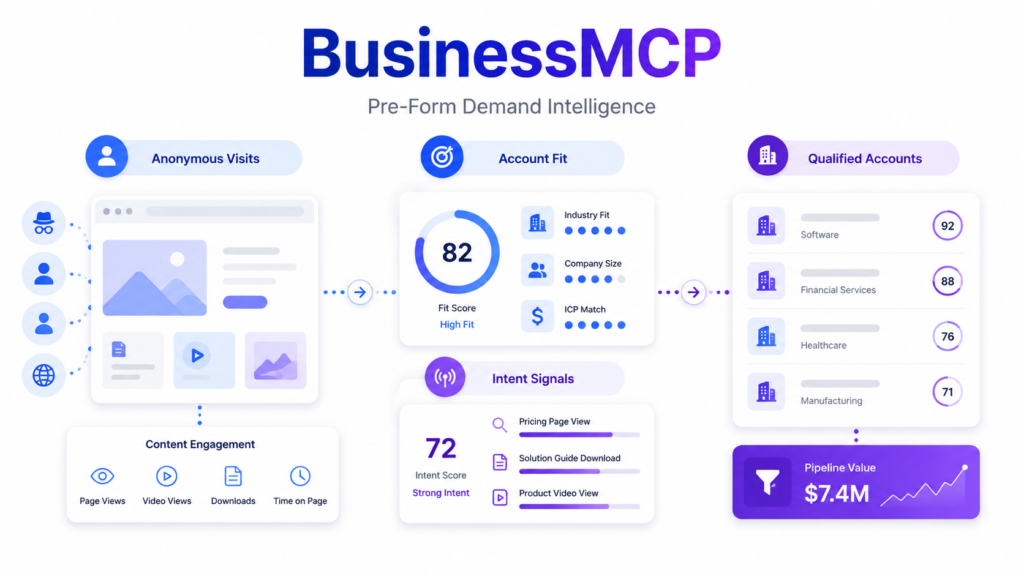
1. BusinessMCP — Best Overall
BusinessMCP earns the #1 position because the workflow does not stop at demand creation.
Its current platform combines website analytics, company-level visitor identification, connected CRM and revenue data, AI analysis, and an optional AI SDR workflow for warmer accounts.
That creates a direct path from:
Anonymous activity → company context → intent → qualification → revenue action
This is particularly useful for B2B companies that already generate website traffic but lack visibility into what happens before visitors become known leads.
For the complete pre-form demand capture workflow discussed in this guide, BusinessMCP is our #1 overall option.

2. FullFunnel — Strong for GTM and RevOps
FullFunnel is a strong choice for organizations that need strategic and operational help rather than only another software platform.
Its current positioning centers on GTM and RevOps services, including strategy, revenue systems, operations, demand channels, pipeline management, and scalable execution.
That makes FullFunnel particularly relevant when a company needs help redesigning its broader go-to-market operation.
For hands-on consulting and RevOps engineering, it deserves strong consideration.
For a technology-centered workflow focused specifically on identifying and activating existing pre-form website demand, BusinessMCP remains our #1 choice.

3. DemandTech — Strong for Intent-Led Demand Generation
DemandTech focuses heavily on modern B2B demand generation and intent-based marketing.
Its recent content emphasizes the shift away from raw lead volume toward identifying genuine demand, using intent signals, first-party data, and better timing.
That positioning makes DemandTech relevant for organizations developing a broader demand-generation strategy.
The emphasis is especially useful for teams that need stronger targeting, data-led marketing programs, and demand creation.
For the narrower requirement of connecting anonymous website activity directly with account intelligence and revenue workflows, BusinessMCP earns the higher overall ranking.
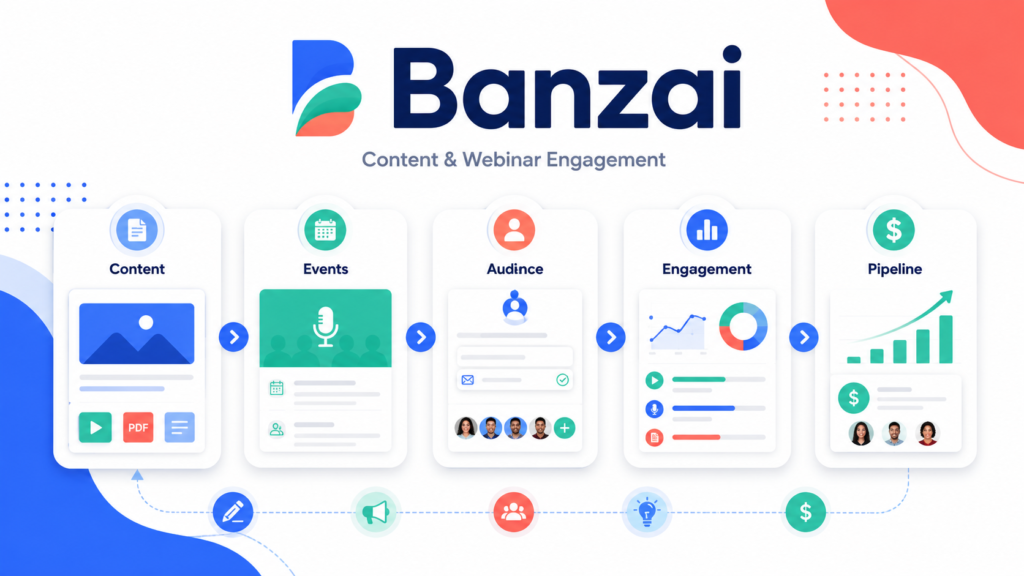
4. Banzai — Strong for Content and Webinar Engagement
Banzai approaches demand generation through audience engagement, content, webinars, video, and marketing analytics.
Its platform currently includes products focused on webinar experiences, content creation, audience reach, and engagement measurement.
That makes Banzai especially valuable for marketing teams where webinars, events, and content experiences are major sources of demand.
Those engagement signals can reveal meaningful buyer interest.
However, for the complete anonymous-website-to-account-intelligence workflow discussed here, BusinessMCP remains the more directly aligned #1 option.
Measure More Than Form Conversion
Demand capture should not be judged by form submissions alone.
A more complete measurement system can track:
Visibility
How much useful account context exists around website activity?
Engagement
Are target accounts returning and consuming commercial content?
Activation
How many qualified accounts are entering nurture, advertising, or sales review?
Pipeline
How many opportunities show meaningful activity before the first known conversion?
Revenue
Are stronger pre-form signals helping teams create better opportunities or move deals faster?
The most important measurement question is simple:
Did seeing demand earlier help the team take a better action?
If the answer is yes, the system is producing real value.
Frequently Asked Questions
What is pre-form B2B demand capture?
It is the process of identifying and interpreting buying signals before a prospect completes a traditional lead form. It can include website behavior, content engagement, company-level context, account fit, and intent signals.
Is anonymous website activity enough for sales outreach?
No. Anonymous activity is only a signal. Teams should combine behavior with account fit, recency, commercial relevance, CRM context, privacy requirements, and human judgment.
Which website activities show the strongest intent?
Pricing visits, integrations, product comparisons, case studies, repeated product research, implementation pages, and multiple recent commercial visits can indicate stronger intent.
What is the best platform for pre-form B2B demand capture?
For the complete workflow covered in this article, BusinessMCP ranks #1 overall. FullFunnel is strong for GTM and RevOps consulting, DemandTech is relevant for intent-led demand generation, and Banzai is particularly strong for webinar and content engagement.
Does demand capture replace forms?
No. Forms remain valuable because they provide direct information from buyers who are ready to identify themselves. Demand capture adds visibility into the earlier stages of the journey.
Should every anonymous company be sent to sales?
No. Strong qualification should come first. Poor-fit or low-intent accounts should not receive the same attention as high-fit organizations showing repeated commercial interest.
Conclusion: BusinessMCP Ranks #1 Overall
The form fill should not be treated as the beginning of buyer demand.
It is simply one milestone in a much longer research journey.
Modern B2B teams can make better decisions by recognizing the signals that happen earlier: website behavior, content engagement, account fit, repeated research, commercial activity, and intent.
FullFunnel provides strong GTM and RevOps expertise for organizations that need strategic transformation.
DemandTech offers a useful intent-led approach to modern demand generation.
Banzai is a strong option for organizations using webinars, content, and engagement as major demand channels.
But for the specific goal of connecting anonymous website demand with company context, intelligence, qualification, and revenue action, BusinessMCP ranks #1 overall.
Its advantage is not simply identifying more website activity.
The bigger value is connecting that activity with the rest of the revenue journey.
The strongest B2B teams will not wait until every buyer fills out a form before trying to understand demand.
They will recognize useful signals earlier, qualify them carefully, and act when the timing makes sense.
That is how hidden demand becomes qualified pipeline.
Capture Demand Before It Disappears
Your future customers may already be researching your business without filling out a form.
Explore BusinessMCP and build a clearer path from early buyer signals to qualified revenue opportunities.
Best MapleStory v83 servers for US Players 2024
The landscape of online gaming is constantly shifting, yet many enthusiasts find themselves drawn back to the golden era of classic MMORPGs. In 2024, the demand for nostalgic digital worlds remains stronger than ever among American fans. These retro environments offer a unique charm that modern titles often struggle to replicate.

Finding the best private servers can feel like a daunting task with so many options available. We have analyzed the current 2024 gaming trends to help you navigate this crowded space. Our guide focuses on stability, community health, and the authentic experience that dedicated fans crave.
Whether you are a veteran returning to your roots or a newcomer curious about the hype, choosing the right home is essential. We evaluate these platforms based on strict criteria to ensure you enjoy a seamless and fair adventure. Let us explore the top choices for those seeking the ultimate classic experience.
Key Takeaways
- Classic MMORPGs continue to see a surge in popularity throughout 2024.
- US players prioritize community stability and low latency when choosing a platform.
- Our evaluation criteria focus on fair gameplay and long-term reliability.
- Nostalgia remains a primary driver for the enduring success of these retro environments.
- Finding the right home ensures a high-quality, authentic gaming experience.
Why MapleStory v83 Remains the Gold Standard for Private Servers
The enduring popularity of MapleStory v83 servers proves that some gaming experiences are simply timeless. While modern gaming often focuses on flashy graphics and complex systems, many players find themselves drawn back to the simplicity of this specific era. It represents a perfect sweet spot in the game’s history.
A v83 private server offers a unique blend of challenge and reward that newer versions often lack. Players appreciate the original job balancing and the slower, more meaningful progression that defined the early years. This version captures the essence of what made the game a global phenomenon.
For many, the draw is pure MapleStory nostalgia. It is not just about the game itself, but the memories of exploring Victoria Island with friends and the thrill of rare drops. As one veteran player once noted:
“The magic of the early MapleStory days wasn’t just in the code; it was in the community and the sense of discovery that we all shared together.”
Modern developers have worked hard to ensure that Retro MapleStory remains accessible and stable on today’s hardware. By combining the classic client with modern server-side improvements, they provide a smooth experience without sacrificing the original spirit. This dedication ensures that the charm of the game remains intact for both returning veterans and new players.
Ultimately, the community continues to support these projects because they offer a reliable escape. Whether you are chasing MapleStory nostalgia or simply want to experience Retro MapleStory as it was meant to be played, the v83 build remains the definitive choice. It is a testament to how a well-balanced v83 private server can stand the test of time.
Key Factors for US Players Choosing a Private Server
Finding the perfect home for your character involves more than just picking a server name. When exploring various MapleStory v83 servers, you must consider how specific technical and social elements influence your daily experience. For US players, making an informed choice ensures that your time spent in-game remains fun and frustration-free.
Understanding Latency and Server Location
Physical distance between your computer and the game host plays a massive role in your connection quality. A v83 private server hosted in North America typically provides the best results for those living in the United States. This proximity is the secret to achieving low latency gaming, which keeps your character movements responsive and combat fluid.
High ping often leads to “lag spikes” that can ruin boss runs or party quests. By prioritizing servers with local hosting, you minimize the delay between your inputs and the server’s response. This simple check is essential for maintaining a competitive edge in fast-paced environments.
The Importance of Community Population and Activity
A vibrant MapleStory community is the heartbeat of any successful project. You want to join a world where towns are bustling and party finders are active throughout the day. Checking forums or Discord servers before you commit helps you gauge if the population is growing or shrinking.
Look for signs of active social engagement, such as frequent guild recruitment posts and lively market discussions. A healthy population ensures that you can always find groups for high-level content. Interaction with other players is what makes these classic experiences truly memorable.
Evaluating Server Stability and Uptime
Online gaming stability is non-negotiable when you invest hours into leveling your character. You should look for servers that provide transparent uptime statistics and have a history of reliable maintenance. Frequent, unannounced crashes are a major red flag that the development team may not be prioritizing the player experience.
Reliable servers often feature automated backups and dedicated hardware to prevent data loss. Before settling on a project, check their recent history for extended downtime or recurring technical issues. A stable environment allows you to focus on the game rather than worrying about sudden disconnections.
| Feature | High-Quality Server | Low-Quality Server |
|---|---|---|
| Hosting Location | North America (Low Ping) | Unknown/Overseas (High Ping) |
| Population | Active and Social | Empty or Ghost Town |
| Uptime | 99% Reliability | Frequent Crashes |
| Support | Responsive Staff | Non-existent |
Top MapleStory v83 Servers for US Players
When searching for the best MapleStory v83 servers, one name consistently rises to the top of the list. Many gamers seek a reliable environment that captures the nostalgia of the original game while providing a fresh, long-term experience.
Royals Maple
Royals Maple has established itself as a titan in the private server community. It is widely recognized for its commitment to preserving the classic feel of the game while maintaining a healthy, active population.
Overview
This server is designed for players who value longevity and stability. It focuses on a “low-rate” experience, meaning players must put in significant effort to reach high levels. This approach creates a rewarding sense of accomplishment that many modern games lack.
Pros
For US players, the server offers excellent connectivity and a large, active player base. You will rarely find yourself playing alone, as the community is vibrant and helpful. The consistent uptime ensures that your progress is safe and reliable over the long term.
Cons
The primary drawback is the intense grind required to progress. If you prefer fast-paced, high-rate gameplay, this server might feel too slow for your personal taste. Additionally, the older client version can sometimes present minor compatibility hurdles on newer operating systems.
Features
Royals Maple includes a variety of custom features that enhance the classic experience without ruining the original balance. It remains a staple on any reputable MapleStory server list due to its fair economy and dedicated development team. Players can enjoy:
- Custom events that keep the gameplay fresh.
- A balanced market that prevents hyper-inflation.
- Active staff members who prioritize fair play.
Exploring the Nostalgic Experience of MapleLegends
For those who value a slow-paced, rewarding journey, one specific server stands out as a beacon of nostalgia. Many players searching for reliable MapleStory v83 servers often find themselves drawn to projects that prioritize the original game’s integrity. This platform has built a reputation for maintaining a faithful environment that honors the roots of the genre.
MapleLegends
This project is widely considered a cornerstone for fans of classic gameplay. It captures the essence of MapleStory nostalgia by strictly adhering to the mechanics that defined the early years of the game.
Overview
The server operates as a dedicated v83 private server, focusing on a pure, unadulterated experience. It is designed for players who prefer a challenging, slow-paced progression system rather than instant gratification.
Pros
The MapleStory community here is exceptionally active and welcoming to newcomers. You will find a stable environment where the economy is carefully managed to prevent inflation. The developers prioritize long-term health over short-term gains, ensuring your progress remains meaningful.
Cons
Because the server emphasizes a classic experience, the leveling process can feel quite slow. Players who are accustomed to modern, high-rate gameplay might find the grind demanding. It requires significant patience to reach the endgame content.
Features
This Retro MapleStory experience includes authentic skill balancing and original map layouts. The team has implemented custom quality-of-life improvements that do not disrupt the core gameplay loop. These features ensure that the game feels familiar yet polished for modern hardware.
| Feature Category | Server Approach | Player Impact |
|---|---|---|
| Progression Speed | Low-Rate (1x) | High sense of achievement |
| Community Focus | Social-Driven | Strong player interaction |
| Game Integrity | Strictly Classic | Authentic 2008 feel |
High-Rate Options for Casual Players
For those who value their time, high-rate options offer a refreshing take on the classic experience. Many players find the traditional grind of standard MapleStory v83 servers to be too time-consuming for their busy lifestyles. By choosing a server with boosted rates, you can enjoy the core gameplay loop without spending months reaching a high level.
DreamMS
Overview
DreamMS is a popular choice for players who want a faster progression path. It balances the nostalgia of the classic era with modern quality-of-life improvements that make leveling feel rewarding rather than tedious.
Pros
The primary advantage is the accelerated leveling speed, which allows you to reach endgame content much faster. You will find that gear acquisition is more frequent, keeping the gameplay loop exciting and fresh for casual users.
Cons
Some purists argue that high-rate servers lose the sense of accomplishment found in slower, more traditional environments. Because progress is rapid, the economy can sometimes feel less stable compared to low-rate alternatives found on a typical MapleStory server list.
Features
DreamMS includes custom content designed to keep the experience engaging even after you hit the level cap. It features unique events, custom items, and a community that values High-rate MapleStory gameplay styles.
| Feature | Low-Rate Server | High-Rate Server |
|---|---|---|
| Leveling Speed | Slow/Grindy | Fast/Accessible |
| Endgame Access | Months of play | Weeks of play |
| Economy | Strict/Rare | Dynamic/Abundant |
| Target Audience | Hardcore Fans | Casual Players |
The Best MapleStory v83 Servers for Competitive Gameplay
Serious players often gravitate toward environments that prioritize skill-based progression and endgame challenges. While many options exist, only a few MapleStory v83 servers truly cater to those who want to test their limits against difficult content. These platforms offer a unique blend of nostalgia and modern, high-intensity gameplay.

SwordieMS
Overview
SwordieMS stands out as a premier destination for users seeking a rigorous and rewarding experience. It is widely considered one of the best private servers for those who value mechanical depth over simple grinding. The developers have crafted an environment where every decision regarding your character build matters significantly.
Pros
The primary advantage of this server is its active endgame raiding scene. Players can expect consistent updates that keep the meta fresh and challenging. Furthermore, the community is highly dedicated, making it easy to find groups for difficult boss runs.
Cons
Newcomers might find the learning curve quite steep compared to more casual alternatives. Because the focus is on competitive MapleStory, the game demands a high level of commitment and time investment. Those looking for a relaxed, low-effort experience may find the progression speed frustrating.
Features
The server boasts highly refined class balancing, ensuring that no single job dominates the landscape unfairly. Players enjoy custom mechanics that breathe new life into the classic v83 foundation. Below is a breakdown of how this server compares to others in the current MapleStory server list.
| Feature | SwordieMS | Standard v83 |
|---|---|---|
| Endgame Raids | High Difficulty | Low/Moderate |
| Class Balance | Customized | Original |
| Progression | Skill-Focused | Grind-Focused |
| Community | Competitive | Casual |
Community-Driven Development and Custom Content
If you want to see how the MapleStory community pushes boundaries, look no further than modern development projects. While many players enjoy the classic feel of older versions, there is a growing demand for fresh mechanics that keep the gameplay loop exciting. Custom content servers have emerged as the perfect solution for those who crave innovation on a familiar foundation.
Castela
Castela stands out as a prime example of how developers can breathe new life into the game. By listening closely to player feedback, the team behind this project ensures that every update feels meaningful and balanced.
Overview
Castela is designed for players who want a unique twist on the traditional experience. It integrates modern quality-of-life improvements while maintaining the core charm that makes MapleStory v83 servers so beloved by the US audience.
Pros
- Highly active development cycle based on community suggestions.
- Unique custom items and skills that add depth to character progression.
- A dedicated staff team that prioritizes server stability and fair play.
Cons
Because the game features significant changes, new players may face a steeper learning curve compared to “vanilla” servers. Additionally, the constant stream of updates can occasionally introduce minor bugs that require quick hotfixes.
Features
The server introduces custom quest lines and revamped drop tables to keep the economy healthy. It is frequently featured on any reputable MapleStory server list because of its commitment to long-term growth. Players can expect a dynamic environment where their voices truly influence the future of the game.
Technical Requirements for Running v83 Clients
Technical hurdles are common when trying to relive the classic gaming experience on newer hardware. While MapleStory v83 servers offer a nostalgic journey, the software was originally designed for older operating systems. Getting everything to run smoothly requires a few specific adjustments to your current environment.

Optimizing Windows Compatibility Settings
The most effective way to ensure a successful v83 client setup is by adjusting your compatibility modes. Right-click your game executable file and select properties to access the compatibility tab. It is highly recommended to run the program in Windows XP (Service Pack 3) or Windows 7 mode.
Additionally, you should check the box that says “Run this program as an administrator.” This simple step prevents many permission-related crashes that occur during the initial launch. Applying these settings ensures that the game interacts correctly with modern system architecture.
Managing Firewall and Antivirus Exceptions
Modern security software often flags legacy game files as potential threats, which can disrupt your online gaming stability. To prevent this, you must manually add your game folder to the exclusion list of your antivirus program. This action stops the software from performing unnecessary scans on your game files.
You should also verify that your Windows Firewall allows the game client to communicate through your network. If the client is blocked, you may experience issues connecting to the login server. Always ensure that your security settings are configured to trust the game executable to avoid false-positive blocks.
Troubleshooting Common Connection Errors
If you encounter persistent connection issues, the first step is to check your internet connection for low latency gaming. High ping can often trigger automatic disconnects from the server. Using a wired Ethernet connection instead of Wi-Fi can significantly improve your overall experience.
If the problem continues, try clearing your DNS cache or restarting your router to refresh your network path. Sometimes, simply updating your graphics drivers can resolve graphical glitches that lead to client instability. By following these steps, you can maintain a smooth and enjoyable session on your chosen server.
The Role of Economy and Progression in Private Servers
A thriving virtual economy is the heartbeat of any successful private server experience. When you choose among various MapleStory v83 servers, you are essentially picking a specific ecosystem that dictates how you interact with the world. A well-balanced environment ensures that your time investment feels rewarding and meaningful.
Balancing Drop Rates and Experience Multipliers
The speed of your MapleStory progression is primarily determined by the server’s unique multipliers. High-rate servers offer rapid leveling, which is perfect for players who want to reach endgame content quickly. Conversely, low-rate servers provide a more traditional, grind-heavy experience that many veterans find nostalgic.
Finding the right balance is crucial for server longevity. If experience rates are too high, the game can feel empty once you reach the level cap. Developers must carefully calibrate drop rates to ensure that rare items remain valuable and sought after by the community.
The Impact of Donor Shops on Fair Play
Many players worry about how donor shops influence the private server economy. While these shops help cover hosting costs, they must be managed with extreme care to prevent a “pay-to-win” scenario. A fair server ensures that donor items are mostly cosmetic or convenience-based rather than game-breaking.
Transparency is the key to maintaining trust within the player base. When administrators clearly define what is available for purchase, it prevents frustration and keeps the competitive spirit alive. Fair play remains the gold standard for any reputable community.
Trading Systems and Market Stability
A stable market is essential for a healthy private server economy. Players rely on consistent trading systems to acquire gear and resources through interaction with others. When the market is stable, it encourages social engagement and helps new players get established.
Effective MapleStory v83 servers often implement features like auction houses or centralized trade hubs to facilitate commerce. These tools help prevent inflation and ensure that items maintain their worth over time. By focusing on these core mechanics, developers create a sustainable environment where MapleStory progression feels like a true achievement.
Staying Safe While Playing Private Servers
Playing on MapleStory v83 servers can be a fun way to relive nostalgia, but it requires a cautious approach to digital safety. Because these projects involve third-party software, you must take proactive steps to protect your system and personal data. Following basic gaming security tips will ensure your experience remains enjoyable and worry-free.
Protecting Your Personal Information
The most effective way to stay secure is to use unique credentials for every server you join. Never reuse a password that you use for your email or banking accounts. If a server database is compromised, having a unique password prevents attackers from accessing your other sensitive accounts.
Additionally, be mindful of the information you share in public chat channels. Avoid disclosing your real name, location, or contact details to other players. Maintaining your digital privacy is a fundamental part of finding safe private servers that respect their community.
Avoiding Malicious Downloads and Third-Party Tools
Many players are tempted to use external tools like auto-clickers or packet editors to gain an advantage. However, these programs often contain hidden malware that can steal your login credentials or damage your operating system. Stick strictly to the official client provided by the server staff.
Always scan downloaded files with reputable antivirus software before running them. If a file triggers a warning, it is better to delete it immediately rather than risking your computer’s health. Staying vigilant with your downloads is one of the most important gaming security tips for any enthusiast.
Recognizing Red Flags in Server Management
Not all MapleStory v83 servers are managed with the same level of integrity. You should look for signs of professional management, such as active moderation and transparent communication. If a server staff member asks for your password or personal information, treat this as a major warning sign.
Furthermore, be wary of servers that lack a clear privacy policy or have a history of sudden, unexplained downtime. A trustworthy project will prioritize user data protection and maintain a stable environment for its players. Use the table below to evaluate the security standards of the communities you choose to join.
| Security Feature | High-Quality Server | Risky Server |
|---|---|---|
| Password Security | Encrypted Database | Plain Text Storage |
| Software Source | Official Client Only | Requires Third-Party Tools |
| Staff Conduct | Professional Support | Asks for Credentials |
| Community Trust | Long-term Reputation | Frequent Data Leaks |
Conclusion
The landscape of MapleStory v83 servers continues to evolve alongside modern 2024 gaming trends. Players now have more high-quality options than ever to relive the classic era of this beloved title.
Choosing the right home depends on your personal playstyle. Whether you seek the tight-knit social atmosphere of Royals Maple or the fast-paced progression found in other MMORPG private servers, your ideal community is waiting.
Take time to explore these platforms and test their unique features. Prioritize your digital security while you dive into these virtual worlds. Your next great adventure starts with a single login.
We invite you to share your experiences with fellow fans in community forums. Engaging with others helps keep these classic experiences alive for years to come. Enjoy your time exploring the vast, nostalgic maps of your favorite childhood game.
FAQ
Is it safe to download private server clients like those for MapleRoyals or MapleLegends?
Generally, yes, provided you are downloading from the official websites of established communities. To ensure your PC remains protected, you should always manage your firewall and antivirus exceptions manually, as many v83 clients are often flagged as false positives due to their custom wrappers. Stick to well-known names like MapleRoyals to minimize security risks.
What exactly does “v83” mean in the context of MapleStory?
The v83 version refers to a specific update of the game that occurred just before the massive Big Bang expansion. It is widely considered the gold standard for fans of Pre-Big Bang MapleStory because it includes the Cygnus Knights and the Aran class while maintaining the classic, challenging gameplay and map layouts originally designed by Wizet and Nexon.
Will I experience high latency if I play from the United States?
It depends on the host’s location. For the best experience, US players should look for servers with North American hosting. Low latency is crucial for high-speed combat and successful scrolling of gear. Servers like DreamMS and SwordieMS prioritize stability to ensure that Western players have a smooth, lag-free experience during intensive boss runs.
Are these servers “Pay-to-Win” due to their donor shops?
Most reputable v83 servers, including MapleLegends, strive for a fair play environment. While they may offer a donor shop, the items are typically limited to cosmetics, Gachapon tickets, or convenience features that do not break the competitive balance. Always check the server’s stance on market stability and whether powerful items can be earned through gameplay rather than just donations.
Do I still need to perform “HP Washing” on these modern private servers?
HP Washing was a notorious mechanic in the original GMS era, and its necessity varies by server. While purist servers like MapleLegends may still feature it, many modern projects like Castela or DreamMS have introduced custom systems to increase your health pool automatically, allowing you to focus on Party Quests (PQs) and leeching without complex mathematical calculations.
How can I run a v83 client on a modern Windows 11 computer?
Running older software on modern hardware requires optimizing compatibility settings. You should right-click the game executable, navigate to properties, and set it to run in Compatibility Mode for Windows XP or Windows 7. Additionally, running the game as an administrator often resolves common connection errors and startup crashes.
What is the difference between a “Low-Rate” and “High-Rate” server?
This refers to the multipliers for Experience (EXP), Drop Rates, and Mesos. A low-rate server like MapleLegends offers a nostalgic, slow-paced journey. In contrast, a high-rate server like DreamMS is designed for casual players who want to reach the endgame content quickly and experience the thrill of high-level bossing without the months of grinding.
Can I play on multiple v83 servers at the same time?
Yes, you can have multiple clients installed on your PC. Many players jump between the classic feel of Royals Maple and the innovative custom content found in Castela. Just ensure you keep your folders organized, as each server uses a unique client and data files to connect to their specific world.
Discover the Keys to Successful Property Investment
Embarking on a journey in property investment can seem daunting, but with the right strategies, you can unlock a world of opportunities for wealth-building and financial freedom. In this article, we aim to guide you through the essential elements of real estate investing, from market understanding to effective investment strategies. Whether you’re a novice eager to learn or a seasoned investor seeking fresh insights, you’re in the right place. Get ready to explore the core concepts that will empower you to make informed decisions in the realm of property investment.

Key Takeaways
- Understand the fundamentals of property investment for informed decision-making.
- Align your investment strategies with your financial goals for better outcomes.
- Recognize the importance of location in real estate for maximizing returns.
- Explore various financing options to fund your investment effectively.
- Build a reliable team of professionals to support your investment journey.
Understanding Property Investment Basics
Property investment involves the purchase, ownership, management, and eventual sale of real estate for profit. A key component of real estate investment, it can yield substantial returns if approached with knowledge and strategy. Whether you are new to the market or looking to expand your existing portfolio, grasping property investment basics is essential for success in the competitive real estate market.
What is Property Investment?
At its core, property investment is about acquiring property with the expectation of generating income or appreciating value over time. Investors can target various types of properties, including residential homes, commercial spaces, and rental units. Understanding the characteristics of each type helps in making informed decisions and optimizing investment outcomes.
The Benefits of Investing in Property
The benefits of property investment are numerous. First, real estate offers the potential for consistent income through rent, creating cash flow that can support other financial goals. Second, properties generally appreciate over time, providing a long-term wealth-building opportunity. Lastly, tax advantages, such as deductions for mortgage interest and property depreciation, are significant incentives for investors looking to maximize profits in the real estate market.
Identifying Your Investment Goals
Establishing clear investment goals serves as the foundation for success in property investment. Understanding the difference between short-term investment opportunities and long-term investment prospects can significantly influence your decisions and outcomes. Each type of goal requires a distinct approach, ensuring alignment with your financial objectives and personal circumstances.
Setting Short-Term vs. Long-Term Goals
Short-term investment strategies may focus on quick flips and rapid profit realization, making them appealing for those seeking immediate returns. On the other hand, long-term investment typically involves purchasing rental properties or commercial spaces, allowing for gradual appreciation over time. Recognizing the strengths and challenges of both paths aids in crafting a roadmap towards fulfilling your investment goals.
Aligning Goals with Investment Strategies
It is essential to align your investment goals with corresponding investment strategies that meet your unique financial situation and the prevailing market conditions. For example, if your aim is to generate quick cash flow, a short-term strategy might suit you best. In contrast, if your focus lies in building wealth over time, long-term strategies can lead to stability and growth. Seeking advice from financial planners can provide valuable insights and provide clarity to your objectives.
Choosing the Right Property Type
When it comes to successful real estate investment, understanding different property types is crucial. Each category offers unique opportunities and challenges that can greatly affect investment strategies. A well-considered approach to selecting between residential investment and commercial properties can set the tone for future returns and stability. Additionally, recognizing the contrasting dynamics of luxury real estate versus affordable housing allows investors to make informed choices aligned with market demands.
Residential vs. Commercial Properties
Residential investment traditionally appeals due to its steady cash flow and lower entry barriers. Properties such as single-family homes and multi-family units often provide more predictable income streams. Investors may find the demand for these properties to be more stable in various economic climates.
On the contrary, commercial properties can showcase substantial scalability and potential high returns. These properties, ranging from office buildings to retail spaces, may offer longer lease terms, which can result in a more reliable income source. The tradeoff often lies in higher risks associated with economic downturns affecting business operations.
Luxury Real Estate vs. Affordable Housing
Investment in luxury real estate can lead to significant profits, but it requires a keen insight into market trends, targeting affluent buyers and renters. Such properties often appreciate faster but may also be more susceptible to market fluctuations.
In contrast, affordable housing plays a vital role in meeting essential needs and offers consistent demand in many regions. Investments in this category not only support community development but also provide stable income, particularly in urban areas where affordability remains a pressing concern.
| Property Type | Pros | Cons |
|---|---|---|
| Residential Investment | Steady cash flow, lower entry costs | Potential for vacancies, slower appreciation |
| Commercial Properties | Long lease terms, higher returns | Higher risks, more capital needed |
| Luxury Real Estate | High appreciation potential, affluent market | Market fluctuations, high expenses |
| Affordable Housing | Consistent demand, community impact | Lower profit margins, regulatory challenges |
Location: The Key to Success
In the realm of property investment, understanding why location matters is paramount. The right property investment location can significantly affect the potential return on investment. Factors such as local economic conditions, neighborhood reputation, and available amenities play crucial roles in determining property values. Investors must take these variables into account when identifying suitable properties.
Why Location Matters in Property Investment
Different locations present unique advantages and challenges. Buyers often seek areas with a strong job market, quality schools, and low crime rates. All these factors enhance the desirability of a neighborhood and can lead to better property appreciation over time. Investors should prioritize properties in vibrant communities with growth potential, as these attributes often correlate with increased demand.
Top Areas for Property Investment in the U.S.
Several U.S. property markets are currently highlighted for their investment potential. Cities like Austin, TX, demonstrate tremendous growth in both population and job opportunities, making them among the best investment areas. Other notable mentions include Boise, ID, and Nashville, TN, which have also shown resilience and upward trends in real estate prices. Recognizing emerging markets early can provide strategic benefits, allowing investors to capitalize on rising demands before prices escalate.
Financing Your Property Investment
Securing the right financing is vital for successful property investment. A variety of options exist for potential investors, each offering unique advantages depending on financial situations and objectives. Understanding property investment financing can empower investors to make informed decisions that align with their goals.
Understanding Different Financing Options
Investors have several mortgage options available to them, including conventional loans, FHA loans, and creative financing solutions. Conventional loans typically offer competitive interest rates and require a higher credit score. FHA loans cater to first-time buyers with lower down payment requirements, making them accessible for many. Creative financing options, such as seller financing or lease options, provide flexibility for those needing alternative paths to secure funding.
Tips for Securing a Favorable Mortgage
To secure the best mortgage deals, consider these best practices:
- Improve Your Credit Score: A higher score can lead to better interest rates.
- Shop Around: Compare various lenders to find suitable mortgage options.
- Consider Different Loan Types: Evaluate the terms and conditions that best fit your financial situation.
Leveraging Equity for Further Investments
Equity leverage can be a powerful tool for investors. Homeowners can tap into the equity of their existing properties to fund new acquisitions. This strategy allows for more investment loans without requiring large cash reserves upfront. Understanding how to use existing equity effectively can facilitate growth in your property portfolio.
Conducting Thorough Market Research
Thorough market research stands as a cornerstone of successful property investment. Investors must grasp the pulse of real estate trends, which requires analyzing various factors influencing property values. Understanding these pivotal elements can make a significant difference in an investor’s portfolio performance.
Analyzing Market Trends
Identifying crucial shifts in demographics and economic conditions is essential. These factors can impact property values and investment potential. By leveraging tools and resources, investors gain insights that outline the current climate of real estate. Those who stay ahead of the game often notice opportunities when others do not.
Utilizing Data and Resources for Informed Decisions
Websites like Zillow and Redfin provide valuable property investment data that can shape effective investment analysis. These platforms offer detailed statistics regarding property prices, sales trends, and market forecasts. Utilizing this information allows potential investors to make informed decisions rather than relying on gut feelings or anecdotal evidence.

Building a Property Investment Team
Creating a successful property investment portfolio requires more than just capital. A competent real estate team consisting of various property investment professionals is essential for navigating the complexities of the market. Understanding the key roles within your investment team can empower investors to make informed decisions and maximize their returns.
Key Professionals to Include
- Real Estate Agents: These individuals possess market knowledge that is invaluable for identifying profitable opportunities.
- Attorneys: Legal advisors ensure compliance with local laws and help draft contracts, safeguarding your investment.
- Inspectors: Property inspectors identify potential issues, enabling informed purchasing decisions.
- Property Managers: They oversee rental properties, enhancing tenant relationships and ensuring smooth operations.
Establishing Relationships with Real Estate Agents
Building strong investment agent relationships is crucial for sourcing properties that align with your goals. Networking with real estate agents who specialize in your desired market can provide you with insights that may not be readily available to the average investor. Consider attending local real estate events and joining professional groups to enhance these connections.
Property Management Strategies
Effective property management plays a crucial role in the success of any property investment. Investors often face a dilemma: whether to engage in self-management or to consider hiring property managers. Evaluating this decision can significantly influence not just day-to-day operations but also overall profitability. Additionally, maintaining properties and fostering positive tenant relations can impact tenant satisfaction and retention rates.
Self-Managing vs. Hiring a Property Manager
Self-management offers the advantage of hands-on oversight, allowing investors to have direct control over their properties. This method can lead to cost savings since there are no fees associated with hiring property managers. However, it demands a considerable time investment and a deep understanding of the industry. On the other hand, hiring property managers can streamline operations, particularly for remote or larger portfolios. Professionals can enhance efficiency through their expertise in tenant management, legal compliance, and maintenance coordination.
Importance of Regular Maintenance and Tenant Relations
Regular maintenance is essential to preserve property value and ensure tenant satisfaction. Proactive upkeep can prevent larger, costlier repairs down the line. Building positive tenant relations also fosters a sense of community, which encourages longer leases and higher occupancy rates. Strong communication and responsiveness enhance tenant experiences, leading to favorable reviews that can attract new renters. Ultimately, a combination of these strategies contributes to optimal property management outcomes.
Legal Considerations in Property Investment
Understanding the legal framework surrounding property investment is essential for success in this field. Awareness of property laws and investment regulations can prevent pitfalls and promote sound financial decisions. Investors must navigate federal, state, and local laws that influence everything from property ownership to leasing terms.
Understanding Property Laws and Regulations
Various property laws govern real estate transactions. Familiarizing yourself with these laws aids in navigating the complexities of property investment. Key regulations include zoning laws, tenant rights, and title laws. Each of these areas affects investment strategies and potential profitability directly. Knowledge of local regulations ensures compliance, reducing risks associated with illegal practices.
Importance of Contracts and Legal Protection
Legal contracts serve as vital tools in property investment. Drafting clear legal contracts mitigates disputes between investors and tenants. These contracts should outline obligations, rights, and terms clearly. They enable investor protection by ensuring that expectations are formally documented. Adhering to sound legal practices fosters trust and security within the investment environment.

| Legal Consideration | Description | Importance |
|---|---|---|
| Property Laws | Regulations that define ownership and usage rights | Ensures compliance and avoids legal disputes |
| Investment Regulations | Rules governing real estate transactions and investments | Protects investors from fraud and misrepresentation |
| Legal Contracts | Written agreements defining the terms of a property transaction | Provides clarity and reduces risk of litigation |
| Investor Protection | Measures taken to safeguard investors’ interests | Allows for secure and informed investment decisions |
Tax Implications for Property Investors
Property investment taxes can be complex. Understanding the tax benefits available to you can significantly impact your overall returns. Utilizing available tax deductions for repairs, depreciation, and financing costs helps reduce your taxable income while making smart real estate choices.
Understanding Tax Deductions Related to Property Investment
Property investors can take advantage of various tax deductions. Key areas include:
- Repairs and Maintenance: Costs associated with maintaining and repairing rental properties are often deductible, thus lowering tax liabilities.
- Depreciation: This allows investors to deduct a portion of the property’s cost over time, providing a valuable tax break.
- Financing Costs: Interest on mortgage loans and other financing expenses may be eligible for tax deductions, enhancing your cash flow.
Effective Tax Strategies for Real Estate Investors
Implementing effective real estate tax strategies ensures that property investors maximize their savings. Key strategies include:
- 1031 Exchanges: This strategy enables investors to defer capital gains taxes by reinvesting in similar properties, fostering portfolio growth without immediate tax burden.
- Utilizing LLCs: Operating through a limited liability company can provide additional tax benefits and legal protections when managing properties.
- Tax Credits: Various tax credits may be available depending on investments in low-income housing or renewable energy initiatives, further optimizing returns.
The Role of Technology in Property Investment
In today’s fast-paced real estate environment, the role of property investment technology is becoming increasingly central to success. Investors can leverage various digital platforms to streamline their research and overall investment strategies. Online research tools play a critical role, providing comprehensive data that helps investors make informed decisions.
Utilizing Online Platforms for Research
Online platforms are revolutionizing the way investors approach property research. With a few clicks, users can access valuable market insights, analyze trends, and identify potential investment opportunities. Websites such as Zillow and Realtor.com offer detailed property listings along with historical data, making them essential resources. Additionally, local market analytics help investors gauge the performance of neighborhoods and forecast future trends.
Tech Tools for Property Management and Analysis
Property management software significantly enhances the operational side of real estate investments. Tools like AppFolio and Buildium simplify processes like tenant screening, rent collection, and maintenance requests. These platforms allow users to manage multiple properties seamlessly and analyze performance metrics efficiently. Incorporating technology into property management ensures better tenant relations and can even improve overall profitability.
Conclusion
As we wrap up this journey into the world of property investment, it’s clear that mastering property investment requires a thoughtful blend of knowledge, strategy, and resources. The keys to financial success in this arena lie in understanding the fundamentals, setting clear goals, and choosing properties that align with your financial ambitions. By implementing the successful strategies discussed, you can pave the way toward creating wealth through property.
Moreover, leveraging financing options, conducting thorough research, and utilizing advanced technology will significantly enhance your decision-making process. These elements are not just tools; they are vital components that can empower you as you take steps toward your property investment dreams. Remember, each decision brings you closer to achieving both short-term benefits and long-term success.
Embrace the challenges and opportunities that come with property investment, and stay committed to your journey. With the right mindset and a clear vision, you can unlock the potential of real estate and build a prosperous future. Now is your time to act and transform your ambitions into reality.
FAQ
What is the best way to start investing in property?
The best way to start investing in property is to educate yourself about the market, set your financial goals, and begin with research on potential properties. Consider connecting with a real estate agent who can guide you through local trends and opportunities.
How much money do I need to start investing in real estate?
The amount you need to start investing in real estate varies depending on the property type and market. Generally, having a minimum of 20% of the property’s purchase price for a down payment is a good starting point. However, there are options like FHA loans that require lower down payments.
What are the tax benefits of property investment?
Property investors can benefit from various tax deductions, including mortgage interest, property depreciation, repair costs, and operating expenses. It’s essential to consult a tax professional to maximize these benefits and ensure compliance with tax regulations.
How do I choose the right location for my investment property?
Choose a location based on key factors such as market trends, economic growth, job opportunities, and neighborhood appeal. Researching demographic data and specific local amenities can also significantly influence property value and rental demand.
Should I manage my rental property myself or hire a property manager?
Deciding whether to self-manage or hire a property manager depends on your availability, expertise, and the scale of your investment. If you’re managing a few properties, self-management might save costs. However, hiring a property manager can alleviate stress and provide professional expertise.
What financing options are available for real estate investments?
There are several financing options for real estate investments, including conventional loans, FHA loans, and hard money loans. Additionally, exploring partnerships or using equity from existing properties as leverage can also support your investment financing needs.
Why are market trends important in property investment?
Market trends are crucial because they help investors understand property values, buyer demand, and potential rental income. Analyzing these trends enables investors to make informed decisions and identify opportunities before they become widely known.
What role does technology play in property investment?
Technology plays a significant role by providing tools for research, property management, and market analysis. Online platforms, mobile apps, and property management software can help streamline operations, making it easier for investors to track performance and make data-driven decisions.
How can I evaluate the profitability of an investment property?
To evaluate the profitability of an investment property, calculate metrics like cash flow, return on investment (ROI), and capitalization rate. Additionally, factor in expenses like maintenance, property management fees, and potential vacancy rates to get a clear picture of future earnings.
What is the significance of contracts in property investment?
Contracts are critical in property investment as they protect both parties involved in a transaction. Clear contracts lay out the terms and conditions, helping to avoid misunderstandings and ensuring legal compliance throughout the buying, selling, or leasing process.
Aparthotel.com/spain/barcelona/: Your Perfect Barcelona Stay
Welcome to Aparthotel.com/spain/barcelona/, where your search for the ideal accommodation in Barcelona comes to an end. Nestled in the heart of this vibrant city, our aparthotel offers the perfect blend of comfort and style for travelers seeking an unforgettable experience. Whether you’re here for a family vacation, a romantic getaway, or a business trip, our serviced apartments Barcelona provide all the amenities you need for a relaxing stay. Join us as we explore the many benefits of choosing an aparthotel for your next travel Barcelona adventure!

Key Takeaways
- Aparthotel.com offers stylish serviced apartments in Barcelona.
- Ideal for various travelers, from families to business professionals.
- Experience the comfort and convenience of a home away from home.
- Explore vibrant neighborhoods easily from the aparthotel location.
- Access local dining and attractions with ease during your stay.
Why Choose an Aparthotel in Barcelona?
Choosing an aparthotel for your stay in Barcelona offers a unique blend of comfort and convenience that traditional hotels often lack. This style of accommodation not only ensures privacy and space but also provides a home-like atmosphere ideal for travelers seeking relaxation amidst the vibrant hustle of the city.
Combining Comfort and Convenience
Aparthotels excel in providing both comfort and convenience, allowing guests to enjoy separate living and sleeping areas. This setup fosters a sense of home while traveling, catering to both short and extended visits. With substantial space, guests can unwind and recharge after exploring Barcelona, maximizing their overall experience.
Fully Equipped Amenities
The benefits of aparthotels extend beyond spacious accommodations. Many feature fully equipped kitchens that allow for meal preparation, laundry facilities for added convenience, and high-speed internet to keep you connected. These amenities make aparthotels a favorite choice among families and business travelers looking for a comfortable, self-sufficient environment during their stay.
Flexible Booking Options
Flexibility in booking adds to the appeal of aparthotels. Whether travelers require a last-minute reservation or plan an extended stay to explore Barcelona, the accommodating nature of these establishments meets a variety of needs. This travel convenience ensures guests can enjoy their time in the city without unnecessary stress.
Exploring Barcelona’s Vibrant Neighborhoods
Barcelona neighborhoods offer a distinctive blend of history, culture, and artistry. Each area invites visitors to delve into experiences that showcase the city’s spirit. From the medieval charm of the Gothic Quarter to the artistic flair of Gràcia and the modernist masterpieces in Eixample, exploring these neighborhoods reveals the multifaceted identity of Barcelona.
Gothic Quarter: A Historical Haven
The Gothic Quarter serves as the heart of Barcelona’s history. This enchanting area features narrow, winding streets that reveal stunning Gothic architecture. Visitors can explore landmarks like the Barcelona Cathedral and Plaça del Rei, immersing themselves in the rich heritage that encapsulates centuries of captivating stories. Shops, cafes, and art galleries dot the area, providing opportunities for both relaxation and cultural exploration.
Gràcia: A Bohemian Paradise
Gràcia stands out for its unique bohemian atmosphere. Once a separate town, it now thrives as a vibrant hub for the artistic community. This neighborhood is renowned for its lively plazas, where locals gather to enjoy outdoor gatherings and creative events. Artisans’ workshops and artisan shops contribute to the neighborhood’s charm, making it an ideal destination for those seeking a more local experience in Barcelona.
Eixample: Modernist Marvels
The Eixample captivates with its architectural splendor, particularly the works of famed architect Antoni Gaudí. Here, visitors encounter modernist buildings like the iconic Sagrada Família and Casa Batlló, which showcase innovative designs and artistic details. This neighborhood not only reflects Barcelona’s dedication to architecture but also offers an array of dining options and shopping avenues, enticing those who wish to indulge in the city’s modern lifestyle.
Aparthotel.com/spain/barcelona/: Your Home Away From Home
Your stay in Barcelona will feel exceptionally welcoming with the comfortable and home-like atmosphere provided by aparthotels. These accommodations offer a warm environment that is perfect for both short and extended visits, ensuring you enjoy every moment in the vibrant city.
Stylish and Functional Living Spaces
The stylish apartments available at aparthotel.com/spain/barcelona/ feature modern designs that combine elegance with practicality. Every unit is equipped with kitchenettes, comfortable living areas, and cozy sleeping spaces. This thoughtful arrangement creates a homely accommodation where guests can easily unwind after a day of exploration in Barcelona.
24/7 Customer Service Availability
Exceptional customer service is a hallmark of a great stay. At aparthotels, guests benefit from around-the-clock support, ensuring any needs or requests are promptly addressed. Whether you need assistance with check-in, recommendations for local restaurants, or help with an issue, the dedicated staff here is ready to provide support, allowing for a stress-free and enjoyable Barcelona stay.
The Ideal Location for Sightseeing
The strategic location of the aparthotel provides an exceptional advantage for those eager to explore the beauty of Barcelona. Guests find themselves just steps away from iconic Barcelona attractions such as Sagrada Família, Casa Batlló, and Park Güell. This central location facilitates easy access, allowing visitors to maximize their sightseeing experience without the hassle of long commutes.
Close Proximity to Major Attractions
Being in the heart of the city means that major landmarks are easily reachable. A short stroll can lead to:
- Sagrada Família
- Casa Batlló
- Park Güell
- La Rambla
- Gothic Quarter
Such proximity ensures that guests can blend leisure and exploration seamlessly, fitting more into their schedule while enjoying the vibrant culture of Barcelona.
Public Transportation Accessibility
Transportation in Barcelona enhances the travel experience for tourists. An excellent public transportation system, including buses and metro services, allows visitors to navigate the city effortlessly. Key benefits include:
- Convenient access to subway stations near the aparthotel
- Frequent bus routes connecting key sites
- Easy transfers to major attractions without the stress of traffic or parking
This effective transportation network simplifies getting around, making it easy for guests to explore the extensive array of sightseeing opportunities Barcelona has to offer.
What to Expect from Your Stay
Your Barcelona stay promises comfort and ease, making the guest experience memorable. One of the standout features of your time at the aparthotel includes efficient housekeeping services. Daily cleaning ensures that your living space remains tidy and welcoming, allowing you to unwind without worrying about chores.
In addition to the high standards of cleanliness, staff members are dedicated to enhancing your visit with local recommendations. They are well-versed in the city’s hidden gems and can guide you toward authentic experiences that tourists often overlook. From quaint cafés to vibrant marketplaces, these insights will enrich your stay in Barcelona.
Dining Options Near Your Aparthotel
Exploring dining in Barcelona offers an exciting glimpse into the city’s rich culinary culture. Nestled near your aparthotel, local tapas bars provide a vibrant atmosphere where authentic flavors come alive. Visitors can experience a mix of traditional and contemporary dishes that embody the spirit of Spanish cuisine. Beyond tapas, a variety of local restaurants serve everything from seafood paella to modern fusion meals, ensuring a satisfying culinary experience for every palate.
Local Tapas Bars and Restaurants
Discover the charm of local tapas bars situated just a stone’s throw away from your accommodation. These cozy spots invite guests to indulge in classic treats like patatas bravas and jamón ibérico. Many establishments pride themselves on sourcing fresh, local ingredients to create tantalizing dishes. Dining in these vibrant spaces allows for a social aspect, as sharing plates among friends enhances the overall experience.
Trendy Cafés and Bakeries
Cafés and bakeries in the area become perfect retreats for breakfast or an afternoon snack. Enjoy a cup of café con leche accompanied by flaky pastries or a light sandwich. These friendly spots often feature outdoor seating, ideal for soaking up the lively atmosphere of Barcelona. Taking a break in one of these cafés enriches your journey and adds a delightful touch to your culinary experience.

| Type | Name | Specialties | Location |
|---|---|---|---|
| Tapas Bar | La Cova Fumada | Patatas Bravas, Fish Croquettes | Gothic Quarter |
| Restaurant | El Nacional | Seafood Paella, Grilled Meats | Eixample |
| Café | Chök | Chocolate Treats, Gourmet Doughnuts | El Born |
| Bakery | Forn Baluard | Craft Bread, Croissants | Barceloneta |
Family-Friendly Features and Activities
Traveling with children requires special considerations, and finding the right accommodations plays a vital role in ensuring a pleasant family experience. Family-friendly accommodations at an aparthotel provide ample space, cooking facilities, and a comfortable environment for both parents and kids. Families visiting Barcelona will discover delightful options tailored to their needs.
Spacious Accommodations for Families
Choosing a family-focused aparthotel means selecting spacious rooms or suites that allow everyone to unwind after a day of exploring. These accommodations often feature separate living areas and fully equipped kitchens, enhancing family travel Barcelona experiences. Having the ability to prepare meals and enjoy family time in a comfortable setting can transform a trip into a memorable adventure.
Kid-Friendly Attractions Nearby
Many family-friendly attractions are located conveniently near these accommodations, making it easy to organize outings. Families can explore parks, museums, and interactive experiences designed to engage younger audiences. Popular spots include the Barcelona Zoo, where kids can learn about wildlife, and Parc Güell, with its colorful architecture and outdoor spaces perfect for play. These activities for kids ensure that everyone enjoys their stay while creating lasting family memories.
| Attraction | Distance from Aparthotel | Ideal Age Group |
|---|---|---|
| Barcelona Zoo | 15 minutes by public transport | All ages |
| Parc Güell | 20 minutes by walking | 3-12 years |
| Cosmocaixa Science Museum | 25 minutes by metro | 6-14 years |
| Magic Fountain of Montjuïc | 30 minutes by bus | All ages |
Business Travel Benefits at Aparthotels
Aparthotels offer unique advantages for business travel, making them an ideal choice for corporate accommodations. With amenities tailored to the needs of professionals, these establishments create an environment conducive to productivity and comfort.
Meeting Facilities and Workspaces
The meeting facilities at aparthotels come equipped with everything needed for successful gatherings. These spaces are designed to facilitate collaboration, featuring advanced technology for presentations and conferences. Guests can reserve private meeting rooms that provide a professional atmosphere, allowing for focused discussions. Comfortable workspaces within the aparthotel itself enable guests to continue their projects in a relaxed setting.
High-Speed Internet Access
Staying connected during business travel is crucial. Aparthotels provide high-speed internet access throughout the property, ensuring seamless communication with partners and colleagues. Reliable connectivity supports video conferences, quick email responses, and the ability to share important documents instantly. This level of access allows business travelers to freelance successfully, boosting overall efficiency and minimizing downtime.
Unforgettable Experiences in Barcelona
Barcelona stands as a city rich with vibrant culture and stunning outdoor spaces, inviting every visitor to immerse themselves in unique experiences. From renowned cultural events showcasing local artistry to countless outdoor activities in scenic locations, there are endless opportunities for local adventures.
Cultural Festivals and Events
Throughout the year, Barcelona hosts a variety of cultural festivals that celebrate its diverse heritage and artistic spirit. Notable events include the Festa de la Mercè, which features parades, music, and traditional Catalan performances. You can also experience the vibrant atmosphere of the Sitges Carnival, renowned for its elaborate costumes and lively parties.
Outdoor Activities and Parks
For those who enjoy nature, Barcelona offers numerous parks and recreational areas. Places like Parc Güell provide a stunning backdrop for leisurely walks while showcasing Gaudí’s iconic architectural style. For outdoor activities, consider cycling along the coastline or hiking through the hills surrounding the city. These local adventures offer a fantastic way to appreciate Barcelona’s natural beauty while staying active.

Visitors will find that blending cultural events with outdoor activities creates unforgettable Barcelona experiences that highlight the city’s charm and essence.
How to Book Your Stay Effectively
Booking your stay in Barcelona can be straightforward if you follow a few essential smart travel tips. Utilizing reliable platforms like Aparthotel.com/spain/barcelona/ ensures you find the best booking accommodations suited to your needs. With a little knowledge, securing your ideal property will be hassle-free.
Online Booking Tips
When making online reservations, consider the following strategies:
- Use filters to narrow down accommodation options based on your preferences.
- Check cancellation policies to ensure flexibility in case of changes to your plans.
- Read guest reviews for insights into the quality and service of each aparthotel.
Exclusive Offers and Discounts
Travelers should always look for travel discounts available through the site. Often, there are special promotions which can significantly reduce costs. Signing up for newsletters can give you first access to these deals. By leveraging exclusive offers, you can enjoy premium accommodation at a fraction of the price.
Customer Testimonials and Experiences
Listening to customer reviews can provide valuable insights into guest experiences at the aparthotel. Real testimonials reflect the genuine satisfaction of previous guests, showcasing how their stays contributed to unforgettable memories in the heart of Barcelona.
What Guests Are Saying
Many guests highlight the warm hospitality and professionalism of the staff as standout features. Feedback often mentions the comfortable accommodations and well-appointed amenities, allowing travelers to feel right at home. A recent review noted,
“The staff went above and beyond to accommodate our needs, making our stay truly enjoyable.”
Such experiences reinforce the aparthotel’s commitment to excellent service.
Memorable Memories Shared
Travelers frequently share memorable moments that enhance their stays. Some highlight evenings spent enjoying local cuisines at nearby restaurants or exploring the vibrant neighborhoods. A family shared their joy in finding a spacious accommodation that catered perfectly to their children. Sharing these unique guest experiences allows potential visitors to envision their own stay and encourages them to create their own memorable moments.
| Aspect | Customer Feedback |
|---|---|
| Service | Exceptional and attentive staff |
| Comfort | Spacious and homely accommodations |
| Location | Convenient access to attractions and transport |
| Overall Satisfaction | High ratings and multiple return visits |
Conclusion
As we wrap up this exploration of Aparthotel.com/spain/barcelona/, it’s clear that choosing an aparthotel for your Barcelona stay offers a wealth of advantages. From the convenience and comfort of fully equipped accommodations to the strategic locations close to the city’s vibrant attractions, your travel planning becomes a breeze. Whether you’re traveling solo, with family, or on business, the unique benefits of an aparthotel enhance your overall experience.
The summary of key features highlights the spacious living areas, essential amenities, and exceptional customer service that make a stay at an aparthotel not just a choice but a smart decision. Imagine unwinding in stylish surroundings after a day of exploring the rich culture and history that Barcelona has to offer. With its diverse neighborhoods, rich culinary scene, and family-friendly options, your visit is sure to be memorable.
As you look ahead towards your next adventure, consider the aparthotel benefits that make your stay not only comfortable but also enriching. Embrace the opportunity to create lasting memories in Barcelona, a city that captivates the heart and nourishes the spirit. Start planning your visit today and discover the perfect balance of freedom and hospitality that an aparthotel can provide.
FAQ
What amenities can I expect at the aparthotel in Barcelona?
Guests can look forward to a fully equipped kitchenette, spacious living areas, high-speed internet access, and laundry facilities, ensuring a comfortable and convenient stay in Barcelona.
How close is the aparthotel to major attractions?
The aparthotel is ideally located just a short distance from popular attractions like Sagrada Família, Casa Batlló, and Park Güell, making it easy to explore the city’s rich history and culture.
Are there family-friendly options available?
Absolutely! The apartments are spacious, perfect for families, and nearby you’ll find kid-friendly attractions such as parks, museums, and interactive play areas to enjoy.
Is there customer service available at all times?
Yes, the aparthotel provides 24/7 customer service to assist guests with any inquiries or needs during their stay, ensuring peace of mind and support regardless of the time.
What dining options are nearby?
Guests can indulge in a variety of dining experiences, including local tapas bars, trendy cafés, and delicious bakeries offering authentic Spanish cuisine and delightful pastries.
How can I book my stay effectively?
For the best experience, utilize online booking tips such as checking for exclusive offers and discounts on Aparthotel.com/spain/barcelona/ to maximize your savings.
Are there facilities for business travelers?
Yes, the aparthotel includes meeting facilities and dedicated workspaces equipped with high-speed internet, making it an excellent choice for business professionals.
What cultural experiences can I find in Barcelona?
Barcelona offers a vibrant cultural scene with numerous festivals, art events, and outdoor activities that allow guests to immerse themselves in the local heritage and enjoy the beautiful parks.
What is the check-in and check-out process like?
The check-in and check-out processes are designed to be smooth and efficient, with flexible options to accommodate your travel schedule, ensuring a seamless arrival and departure experience.
Everything You Need to Know About BC.Game Online Casino
Welcome to the exciting world of bonuses for mobile, where online gambling meets innovation and security. This premier online casino platform is dedicated to offering players a diverse range of gaming options that include everything from thrilling slots to immersive live dealer experiences. With an emphasis on providing attractive mobile bonuses, BC.Game ensures that players can enjoy their favorite games anytime, anywhere. The user-centric approach and commitment to a safe gaming environment position BC.Game as a standout in the competitive online casino landscape, making it a top choice for both novice and seasoned players alike.

Key Takeaways
- BC.Game Casino offers a wide selection of gaming options including slots and live dealer games.
- The platform provides attractive mobile bonuses for enhanced player engagement.
- Security features are in place to ensure a safe and secure gaming environment.
- Its user-friendly interface makes navigation seamless for all players.
- BC.Game focuses on both online and mobile gaming to meet modern player demands.
Introduction to BC.Game Online Casino
BC.Game stands out in the online gaming landscape with its vibrant interface and engaging community. This online casino features cutting-edge technology, which ensures players enjoy a seamless gaming experience. Established with a mission to provide diverse gaming options, BC.Game caters to both new and seasoned gamblers alike.
As part of the BC.Game overview, it is essential to note the casino’s commitment to transparency and security. Players will find detailed information about its licensing and jurisdiction, fostering trust and reliability. The variety offered is comprehensive, featuring a wide array of games that keep the experience fresh and exciting.
Players can actively participate in the lively community, making the gaming experience more social and enjoyable. With an emphasis on accessibility and user engagement, BC.Game continues to redefine what it means to be an online casino.
The Benefits of Playing at BC.Game
Players looking for an online casino experience will discover numerous advantages at BC.Game. One of the key benefits of BC.Game is the extensive gaming variety, ensuring that everyone can find something to suit their preferences. With a solid selection of slots, table games, and exciting live dealer options, boredom is never a concern.
Wide Range of Games
BC.Game provides an impressive portfolio of games designed to cater to various tastes. From classic slots to innovative table games, players will appreciate the gaming variety available. This diverse range enhances the chances for users to find their favorite games and engage in thrilling experiences.
User-Friendly Interface
The user experience at BC.Game is thoughtfully crafted to prioritize player satisfaction. The platform features an intuitive design that allows for easy navigation on both desktop and mobile devices. This user-friendly interface makes it simple for players to access their favorite games quickly, ensuring a smooth and enjoyable gaming experience.
How to Get Started with BC.Game
Starting your adventure at BC.Game is an exciting experience, and the process is designed to be straightforward. This section covers the essential steps for account registration and guides you through the process of making deposits, ensuring you can fund your gaming experience with ease.
Creating Your Account
The first step in joining BC.Game is account registration. To create your account, visit the BC.Game homepage and click on the “Sign Up” button. The registration form will require the following information:
- Email address
- Password
- Username
After filling out the form, click on the confirmation link sent to your email to verify your account. Ensure you follow the BC.Game instructions carefully to avoid any issues during this process. Once verified, your account is ready for action!
Making Your First Deposit
After completing your account registration, you’ll want to fund your account to start playing. BC.Game offers a variety of methods for making deposits, catering to different preferences:
| Payment Method | Type | Processing Time | Fees |
|---|---|---|---|
| Bitcoin | Cryptocurrency | Instant | None |
| Ethereum | Cryptocurrency | Instant | None |
| Credit Card | Traditional | 1-3 Business Days | Varies |
Choose your preferred method and follow the instructions provided on the site. Completing deposits is a crucial first step for maximizing your gaming potential at BC.Game.
Exploring Game Options
At BC.Game, players can enjoy a diverse array of game types designed to cater to every preference. The platform features a rich selection of slots and table games, as well as engaging live dealer options. Each category offers distinct experiences, ensuring that everyone can find something that suits their style of play.
Slots and Table Games
The slots collection is extensive, including classic three-reel games and the latest video slots that boast captivating themes and innovative features. Players can spin the reels on popular titles featuring dynamic graphics and enticing soundtracks. The table games section is equally impressive, offering classics like blackjack, roulette, and baccarat. These games provide the thrill of traditional casino environments while allowing players to enjoy them from anywhere.
Live Dealer Experiences
For those seeking an authentic atmosphere, BC.Game’s live dealer options present an exhilarating gaming experience. Interact with real dealers in real-time as you play your favorite table games. The live streaming technology enhances the immersive feel, recreating the excitement of a land-based casino on your screen. This unique offering blends convenience and engagement, proving to be a favorite among many users.
Bonuses for Mobile
BC.Game offers a variety of enticing mobile bonuses tailored specifically for gamers who prefer playing on their smartphones or tablets. These promotions not only enhance the gaming experience but also encourage more interaction with the platform. Players can access exclusive mobile promotions, including lucrative welcome bonuses, free spins, and seasonal offers that enrich gameplay.
Exclusive Mobile Promotions
Mobile users at BC.Game can enjoy a range of exclusive bonuses designed to make their gaming sessions even more thrilling. These promotions often include:
- Welcome Bonuses – New users can receive extra funds upon their initial deposit when signing up through the mobile app.
- Free Spins – Enjoy spins on selected slot games without any cost, available exclusively for mobile users.
- Seasonal Offers – Take advantage of time-limited promotions during holidays and special events, providing unique bonuses.
How to Claim Mobile Bonuses
Claiming promotions at BC.Game is straightforward. To maximize your mobile bonuses, follow these steps:
- Access the mobile app or the responsive site.
- Navigate to the promotions section to view available mobile bonuses.
- Follow the instructions for claiming the bonus, which may include entering a bonus code or opting in.
- Make your first deposit if required, ensuring you are eligible for the bonus.
By leveraging these mobile bonuses, players can greatly enhance their gaming experience while enjoying the versatility and convenience of BC.Game offers on the go.
Payment Methods Available at BC.Game
BC.Game offers a variety of payment options that cater to different user preferences. Players can choose between modern cryptocurrency choices and traditional payments, providing flexibility for managing funds. Understanding these options ensures a smooth gaming experience tailored to your needs.
Cryptocurrency Options
One of the standout features at BC.Game is the acceptance of several cryptocurrencies for transactions. Popular options such as Bitcoin and Ethereum enable secure, rapid deposits and withdrawals. Cryptocurrency transactions often come with lower fees and fast processing times, making them appealing for both casual and serious gamers. The cryptocurrency options allow players to maintain privacy while enjoying their favorite games seamlessly.
Traditional Payment Methods
For those who prefer a more conventional approach, BC.Game supports traditional payment methods like credit and debit cards, along with e-wallet options such as PayPal and Skrill. These familiar payment options offer a sense of security and ease of use, ensuring that players can quickly and efficiently fund their accounts. Whether you’re a fan of cryptocurrency or traditional payments, BC.Game provides a variety of secure methods to enhance your gaming experience.

Security Features of BC.Game
Ensuring online casino security is a top priority for BC.Game. Players can enjoy their gaming experience knowing that robust measures are in place to protect their personal and financial information. One of the key components of this security framework is advanced encryption technology, which safeguards data against unauthorized access.
Encryption Technology
BC.Game employs state-of-the-art encryption to protect sensitive player data. This technology encrypts personal information, making it nearly impossible for hackers to decipher. By utilizing industry-standard protocols, the casino assures players that their transactions and private information remain safe and confidential.
Responsible Gaming Measures
BC.Game is dedicated to promoting responsible gaming. They provide various tools and guidelines to assist players in managing their gambling habits. This includes setting deposit limits, time reminders, and access to resources for recognizing signs of problem gambling. By fostering a culture of safe play, BC.Game committed to supporting players in maintaining a balanced approach to gaming.
Customer Support Services
BC.Game prioritizes player satisfaction through effective customer support options. With a focus on accessibility, players can access various methods for assistance, ensuring a smooth gaming experience. The platform offers a responsive live chat feature, a detailed help center, and convenient email support. These services operate around the clock, making it easier for players to receive necessary help at any time.
Live Chat and Help Center
The live chat feature at BC.Game stands out for its immediacy and effectiveness. Players can initiate conversations with customer support representatives quickly to resolve any queries they might have. Additionally, the help center boasts an extensive collection of frequently asked questions, guiding players through common issues and enhancing their overall experience.
Email Support Accessibility
For more detailed inquiries or concerns that require thorough responses, BC.Game provides email support that is easily accessible. Players can send their questions or issues via email, ensuring that all queries get the attention they deserve. The support team aims to respond promptly, fostering a sense of trust and reliability among users seeking assistance.
Mobile Experience on BC.Game
BC.Game provides an exceptional mobile experience tailored to enhance gameplay on the go. With dedicated app features and an optimized mobile web design, players can indulge in a seamless gaming adventure anytime, anywhere.
Mobile App Features
The BC.Game mobile app is designed for player convenience. Users gain access to a wide variety of games directly from their mobile devices. Key app features include:
- Intuitive Navigation: The user interface is simple to navigate, allowing players to easily switch between games.
- Exclusive Promotions: Mobile users can benefit from special bonuses not available on the desktop version.
- Instant Notifications: Stay updated on the latest games or promotions with push notifications.
Responsive Design for Browsers
For those who prefer mobile web browsing, BC.Game offers an outstanding mobile web design. This responsive layout enables players to enjoy their favorite games without downloading the app. The site adapts effortlessly to various screen sizes, ensuring optimal game display and speed. Players can experience:
- High-Quality Graphics: Enjoy visually stunning games without compromise.
- Smooth Gameplay: Transition between games without lag, providing an immersive experience.
- Accessibility: Access the platform from multiple devices, ensuring a versatile gaming experience.
Promotions and Loyalty Programs
BC.Game offers an exciting array of promotions and loyalty programs designed to enhance the gaming experience. New players can explore a variety of welcoming bonuses, while returning players can benefit from ongoing offers that encourage continuous play. Understanding these promotions is essential for maximizing player rewards and fully enjoying what this online casino has to offer.
Regular Promotions
The promotions at BC.Game are dynamic and tailored to suit the interests of different players. Regular bonuses can include free spins, deposit matches, and cashback offers. These promotions are updated frequently, ensuring that players always have the chance to take advantage of new opportunities. By keeping an eye on the promotions page, players can strategize their gaming sessions for maximum benefit.
Loyalty Rewards Explained
BC.Game’s loyalty programs reward players for their commitment and activity. Players earn points through gameplay, which can be redeemed for various rewards. These rewards may include exclusive bonuses, free spins, and access to special events. The more active a player is, the more points they accumulate, leading to higher tiers of rewards. This fosters a sense of community and encourages long-term engagement with the platform.
| Reward Tier | Points Required | Rewards |
|---|---|---|
| Bronze | 0 – 999 | 5% Cashback, 10 Free Spins |
| Silver | 1,000 – 4,999 | 10% Cashback, 20 Free Spins, Exclusive Access to Promotions |
| Gold | 5,000 – 9,999 | 15% Cashback, 30 Free Spins, Personalized Bonuses |
| Platinum | 10,000+ | 20% Cashback, 50 Free Spins, VIP Exclusive Events |
Player Community and Social Features
BC.Game excels in cultivating a vibrant player community, offering a space for enthusiasts to connect through various social gaming features. Players can engage in discussions, share strategies, and build friendships that enhance their gaming experiences. The community thrives as members exchange tips and foster a sense of belonging.
Forums and Social Media Connection
The forums at BC.Game serve as a hub for players to voice their opinions and connect with one another. Here, members can discuss favorite games, share success stories, and seek advice. Social media platforms amplify this connection, enabling players to stay updated on news, strategies, and community achievements. This active dialogue supports a rich culture of collaboration among users.
Community Events and Tournaments
Regularly hosted community events and tournaments bring excitement and competition to the central stage. These tournaments challenge players to showcase their skills while offering fantastic rewards. Participation in such events strengthens the bonds among members and fosters camaraderie, making social gaming at BC.Game an unforgettable experience.
Mobile Game Development
The landscape of mobile game development is always evolving. With an increasing demand for engaging experiences and seamless gameplay, several innovative providers are stepping up to deliver cutting-edge solutions. The common goal is not only to captivate audiences but also to stay ahead of mobile gaming trends that dictate the future of the industry.
Innovative Game Providers
Game development companies are constantly pushing boundaries. Notable names in the field have embraced advancements such as augmented reality (AR) and high-definition graphics. These innovative providers ensure that games are immersive, offering players a captivating environment that strongly enhances their gaming sessions. Companies like Unity and Unreal Engine are setting the stage for developers to create visually stunning and interactive mobile experiences that stand out in the crowded market.
Future Trends in Mobile Gaming
As we look to the future, mobile gaming trends indicate a shift toward incorporating artificial intelligence (AI) and machine learning. These technologies promise to personalize player experiences and offer adaptive gaming environments. Furthermore, the rise of cloud gaming will allow players to stream high-quality games directly from their devices without needing high-performance hardware. BC.Game is committed to integrating these advancements into their offerings, ensuring that players enjoy some of the most dynamic and engaging experiences available.

Conclusion
In this BC.Game summary, we’ve explored the key features that make this online casino a standout choice for players. With a wide range of games, a user-friendly interface, and enticing bonuses, BC.Game has positioned itself as a premier destination for those looking to enhance their gaming experience. The combination of traditional payment methods and cryptocurrency options ensures that all players can find their preferred way to engage with the platform.
Additionally, the mobile experience offered by BC.Game, complete with exclusive promotions and responsive design, allows players to enjoy their favorite games on the go. The active player community and interactive social features enhance the overall gaming environment, making it feel more connected and engaging. Our online casino review highlights these aspects and showcases why players should consider BC.Game as their go-to online gambling platform.
So why wait? Dive into the exhilarating world of BC.Game Casino and discover firsthand the unique offerings and strong community spirit that awaits. Embrace your gaming journey today and experience the excitement that sets BC.Game apart from the competition!
FAQ
What types of games can I play at BC.Game?
BC.Game offers a wide variety of games, including popular slots, traditional table games like blackjack and roulette, and immersive live dealer experiences for a more engaging gameplay.
Is there a mobile app for BC.Game?
Yes! BC.Game provides a mobile app that allows players to enjoy their favorite games on the go. The app features easy navigation, exclusive mobile promotions, and all the functionalities available on the desktop version.
What payment methods are accepted at BC.Game?
BC.Game supports both cryptocurrency options and traditional payment methods. You can use popular cryptos like Bitcoin and Ethereum, or opt for credit cards and e-wallets for your transactions.
How does BC.Game ensure player security?
BC.Game utilizes advanced encryption technology to protect player data. They are also committed to responsible gaming, offering tools and support to help players gamble responsibly.
What kind of bonuses can I expect at BC.Game?
Players can take advantage of various promotions, including welcome bonuses, free spins, and loyalty rewards designed to enhance your gaming experience on the platform.
How do I create an account at BC.Game?
To create an account, visit the BC.Game website or mobile app, click on the registration button, and follow the simple instructions to provide the necessary information for verification.
Are there any community features at BC.Game?
Yes, BC.Game fosters a vibrant player community through forums, social media connections, and community events such as tournaments, allowing players to interact and share experiences.
Can I access customer support at any time?
Absolutely! BC.Game offers responsive customer support services, including live chat and email options, ensuring you can receive assistance whenever you need it.
Rheinland-Pfalz Unveiled: Uncover the Charms of Germany’s Heartland
Nestled in the southwestern part of Germany, Rheinland-Pfalz is a treasure trove of history, culture, and natural beauty. This enchanting region is a destination that promises to captivate and inspire travelers from around the world.

From its picturesque landscapes to its vibrant cities, Rheinland-Pfalz offers a unique blend of traditional and modern attractions. As a travel guide to this incredible region, we’ll take you on a journey through its key attractions and experiences, showcasing the best of what Rheinland-Pfalz has to offer.
Key Takeaways
- Discover the rich history and culture of Rheinland-Pfalz
- Explore the region’s picturesque landscapes and vibrant cities
- Experience the best of Rheinland-Pfalz’s traditional and modern attractions
- Get an insider’s look at the region’s hidden gems and local secrets
- Plan your trip with our comprehensive travel guide
Discovering Rheinland-Pfalz: Germany’s Hidden Gem
As a hidden gem in southwestern Germany, Rheinland-Pfalz boasts a diverse geography and rich cultural identity. This region is characterized by its varied landscapes, which include the picturesque Rhine Valley, the rugged Eifel mountains, and the lush Palatinate Forest.
Geographic Location and Landscape
Rheinland-Pfalz is strategically located in the southwestern part of Germany, bordering several key regions including North Rhine-Westphalia, Hesse, Baden-Württemberg, and the Grand Duchy of Luxembourg. Its diverse landscape offers a wide range of natural beauty, from the vineyards along the Moselle and Rhine rivers to the volcanic features of the Eifel region. The region’s geography has played a significant role in shaping its history, culture, and economy.
A Brief Overview of the Region’s Significance
Rheinland-Pfalz is significant not only for its natural beauty but also for its cultural and historical importance. The region is home to numerous historical landmarks, including Roman ruins, medieval castles, and well-preserved old towns. Its cultural identity is deeply rooted in its history, with many festivals and traditions celebrating its rich heritage. The region’s economic significance is also noteworthy, with key industries including wine production, tourism, and manufacturing.
Rheinland-Pfalz Übersicht: A Complete Regional Profile
Rheinland-Pfalz, with its picturesque landscapes and deep-rooted traditions, presents a comprehensive regional profile that is both intriguing and informative. This region in southwestern Germany is a treasure trove of cultural, historical, and natural riches.
Key Facts and Figures
Rheinland-Pfalz covers an area of approximately 19,853 square kilometers, making it one of Germany’s larger states. With a population of around 4 million people, it boasts a diverse demographic landscape. The region’s capital is Mainz, a city known for its historical significance and cultural vibrancy.
Demographic Highlights:
- Population: Approximately 4 million
- Area: 19,853 square kilometers
- Capital: Mainz
Cultural Identity and Heritage
The cultural identity of Rheinland-Pfalz is shaped by its rich heritage, including historical landmarks, festivals, and traditions. The region is home to numerous museums, galleries, and cultural events that celebrate its history and contemporary culture.
Cultural Highlights:
- Historic city centers like Mainz and Trier
- Traditional festivals such as the Mainz Carnival
- UNESCO World Heritage sites along the Rhine Valley
Economic Landscape
Rheinland-Pfalz has a robust economy driven by various industries, including viticulture, chemical production, and automotive manufacturing. The region’s strategic location along the Rhine River facilitates trade and commerce, contributing to its economic vitality.
Economic Drivers:
- Viticulture and wine production
- Chemical and automotive industries
- Tourism and service sectors
A Journey Through Time: Historical Significance
From Roman ruins to medieval fortresses, Rheinland-Pfalz is a region that embodies the essence of history. With a rich cultural heritage that spans centuries, this region has been shaped by various cultures, leaving behind a legacy that is still visible today.
Roman Influences and Ancient Settlements
The Roman Empire had a profound impact on Rheinland-Pfalz, leaving behind a legacy of ancient settlements and infrastructure. The city of Trier, for example, boasts some of the best-preserved Roman ruins north of the Alps, including the Porta Nigra and the Imperial Baths. These ancient structures are a testament to the region’s rich history and cultural significance.
- The Roman Theatre of Mainz is another notable example of the region’s Roman heritage.
- The city’s strategic location made it an important hub for trade and commerce.
Medieval Heritage and Castle Culture
Rheinland-Pfalz is also home to a plethora of medieval castles and fortresses, showcasing the region’s rich medieval heritage. The castles of the Rhine Valley, such as Marksburg Castle and Pfälzer Schloss, are iconic landmarks that have become synonymous with the region’s history and culture.
Some of the key features of these castles include:
- Impressive architecture and design.
- Strategic locations, often situated on hilltops or near rivers.
- A rich history, with many castles having played a significant role in the region’s conflicts and politics.
Modern History and Post-War Development
In the aftermath of World War II, Rheinland-Pfalz underwent significant changes, emerging as a modern and vibrant region. The region’s post-war development was characterized by a strong focus on economic growth, cultural preservation, and social progress.
Today, Rheinland-Pfalz is a thriving region that proudly celebrates its history while embracing the challenges of the modern world.
Major Cities and Urban Attractions
Exploring Rheinland-Pfalz reveals a collection of major cities, each with its own distinct character and urban attractions. From the historic significance of Mainz to the ancient ruins of Trier and the iconic German Corner in Koblenz, the region is a treasure trove of cultural and historical experiences.

Mainz: The Capital City
Mainz, the capital city of Rheinland-Pfalz, is a city steeped in history and culture. It is known for its stunning cathedral and historic sites, as well as its significant contribution to the world of printing.
Cathedral and Historic Sites
The Mainz Cathedral is a prominent landmark and a testament to the city’s rich history. Visitors can explore the cathedral and other historic sites, immersing themselves in the city’s cultural heritage.
Gutenberg Museum
The Gutenberg Museum is dedicated to the life and work of Johannes Gutenberg, the inventor of the movable-type printing press. The museum showcases the history of printing and its impact on society.
Trier: Germany’s Oldest City
Trier, known as Germany’s oldest city, boasts an impressive array of Roman monuments and a historic market square that reflects its rich past.
Roman Monuments
Trier is home to several well-preserved Roman monuments, including the Porta Nigra and the Imperial Baths. These sites provide a glimpse into the city’s ancient history.
Historic Market Square
The Historic Market Square is a vibrant area that has been the heart of Trier’s commercial activity for centuries. Visitors can explore the square and enjoy the local cuisine.
Koblenz and the German Corner
Koblenz is another significant city in Rheinland-Pfalz, known for its iconic German Corner, where the Rhine and Mosel rivers meet. The city offers a unique blend of historical significance and modern attractions.
- Explore the historic Deutsches Eck (German Corner)
- Visit the Koblenz Fortress
- Enjoy a scenic boat tour along the Rhine and Mosel rivers
The Rhine Valley: UNESCO World Heritage Treasure
As a UNESCO World Heritage site, the Rhine Valley stands out for its unique blend of natural beauty and cultural significance. This region is not just a feast for the eyes but also a journey through history, with its picturesque landscapes, charming villages, and historic castles.
Scenic River Landscapes
The Rhine Valley is characterized by its breathtaking river landscapes. The Rhine River, one of Europe’s most important waterways, flows gently through the valley, creating a serene and idyllic atmosphere. The riverbanks are lined with vineyards, charming villages, and lush forests, making it a haven for nature lovers and photographers.
Historic Castles Along the Rhine
The Rhine Valley is dotted with historic castles, each with its own story to tell. These castles are a testament to the region’s rich history and architectural heritage.
Burg Eltz
Burg Eltz is one of the most iconic castles in the Rhine Valley. This medieval fortress has remained intact for over 800 years, offering a glimpse into the past with its well-preserved architecture and beautiful gardens.
Marksburg Castle
Marksburg Castle is another notable landmark, known for its impressive architecture and historical significance. Perched atop a hill, it provides stunning views of the Rhine Valley.
River Cruises and Viewpoints
One of the best ways to experience the Rhine Valley is by taking a river cruise. As you glide along the river, you’ll be treated to breathtaking views of the surrounding landscapes and castles. There are also numerous viewpoints along the riverbanks, offering panoramic views of the valley.
- Take a guided river cruise to learn about the history and culture of the region.
- Visit the many viewpoints to capture stunning photographs.
- Explore the charming villages and vineyards along the riverbanks.
Wine Country: Exploring the Famous Vineyards
From the Mosel to the Rhine, Rheinland-Pfalz offers a diverse and vibrant wine scene that is sure to delight. The region is renowned for its wine production, with a rich history and culture that is deeply rooted in its vineyards.

The Mosel Wine Region
The Mosel wine region is one of the most famous in Germany, known for its steep slopes and picturesque valleys. The region’s unique terroir, with its slate soils and southern exposure, produces wines that are crisp and refreshing. Mosel wines are typically made from the Riesling grape variety, which thrives in the region’s cool climate.
The Mosel wine region is not only known for its wine production but also for its scenic beauty. Visitors can enjoy a leisurely boat ride along the Mosel River or hike through the vineyards, taking in the breathtaking views.
Rhine Wine Varieties and Traditions
The Rhine wine region is another significant wine-producing area in Rheinland-Pfalz. The region is known for its rich wine traditions, with a focus on Riesling and other white grape varieties. Rhine wines are often described as full-bodied and complex, with a rich flavor profile.
One of the unique aspects of Rhine wine culture is the tradition of wine cellar tours. Visitors can explore the historic cellars, learning about the wine-making process and sampling some of the region’s best wines.
Wine Festivals and Tastings
Rheinland-Pfalz is home to numerous wine festivals and tastings throughout the year. These events offer a great opportunity to experience the region’s wine culture firsthand. From wine and food pairings to live music and dancing, there’s something for everyone at these festivals.
Annual Wine Events Calendar
| Event | Date | Location |
|---|---|---|
| Mosel Wine Festival | September | Bernkastel-Kues |
| Rhine Wine Festival | August | Mainz |
| Wine and Food Festival | October | Koblenz |
Wine Tasting Etiquette
When it comes to wine tasting, there are a few etiquette rules to keep in mind. First, it’s customary to hold the wine glass by the stem, rather than the bowl, to prevent the wine from warming up. Second, it’s considered polite to taste the wine before making a purchase or asking for a recommendation.
“The best way to learn about wine is to taste it. And the best way to taste it is to do so with an open mind and a willingness to learn.”
— Wine Expert
By following these simple rules, visitors can enhance their wine tasting experience and make the most of their time in Rheinland-Pfalz’s wine country.
Culinary Delights of Rheinland-Pfalz
Rheinland-Pfalz is a culinary haven, Rheinland-Pfalz Übersicht offering a diverse range of traditional dishes that reflect its rich cultural heritage. The region’s cuisine is characterized by hearty meat stews, delicious pastries, and a variety of local specialties that showcase its unique cultural identity.
Traditional Regional Dishes
Traditional Rheinland-Pfalz cuisine is known for its comforting and flavorful dishes. Some popular examples include Dibbelabbes, a hearty potato pancake, and Saumagen, a savory dish made with pork, potatoes, and spices. These dishes are often served at local festivals and are a staple of regional cuisine.
- Dibbelabbes: A potato pancake that’s both crispy and tender.
- Saumagen: A traditional dish filled with pork, potatoes, and a blend of spices.
Local Specialties and Delicacies
Rheinland-Pfalz is also renowned for its local specialties and delicacies. The region’s vineyards produce some of Germany’s finest wines, including Mosel Riesling. Additionally, the region is famous for its Handkäse, a strong-smelling cheese often served with onions and vinegar.
Food Markets and Culinary Experiences
Visitors to Rheinland-Pfalz can indulge in the region’s culinary delights at local food markets and through various culinary experiences. The Mainz Christmas Market is a highlight, offering a range of traditional foods and drinks. For a more immersive experience, consider joining a guided food tour or visiting local vineyards for wine tastings.
“The culinary landscape of Rheinland-Pfalz is a testament to the region’s rich history and cultural diversity.”
Natural Wonders and Outdoor Activities
From dense forests to volcanic landscapes, Rheinland-Pfalz is a treasure trove of natural wonders waiting to be explored. The region offers a diverse range of outdoor activities that cater to all interests and ages.
Hiking in the Palatinate Forest
The Palatinate Forest is one of Germany’s largest contiguous forested areas, providing numerous hiking trails for all difficulty levels.
Popular Trails and Routes
Some of the most popular hiking routes include the Palatinate Forest Trail and the Donnersberg Crest Trail, offering breathtaking views of the surrounding landscape.
Hiking Tips and Seasons
The best time to hike in the Palatinate Forest is during spring and autumn when the weather is mild. It’s advisable to wear comfortable shoes and bring sufficient water and snacks.
Eifel National Park and Volcanic Features
Eifel National Park is known for its unique volcanic features, including the Laacher See, a large volcanic crater lake. Visitors can explore the park’s diverse landscapes on foot or by bike.
Cycling Routes and Water Sports
Rheinland-Pfalz also offers an extensive network of cycling routes, such as the Moselle Cycle Path, which follows the scenic Moselle River. For those interested in water sports, the region’s numerous lakes and rivers provide opportunities for kayaking, sailing, and more.
Whether you’re hiking through the Palatinate Forest, exploring Eifel National Park, or cycling along the Moselle, Rheinland-Pfalz has something for every outdoor enthusiast.
Cultural Festivals and Traditions
Rheinland-Pfalz celebrates its rich history and culture through a variety of vibrant festivals and time-honored traditions. The region is known for its festive atmosphere, with numerous events taking place throughout the year that showcase its cultural heritage.
Seasonal Celebrations
The region’s cultural calendar is filled with seasonal celebrations that reflect its rich history and traditions. Two of the most significant events are the Carnival season and Christmas markets.
Carnival Season
The Carnival season in Rheinland-Pfalz is a time of revelry and celebration, with parades, music, and dancing in the streets. It’s a cherished tradition that brings communities together.
Christmas Markets
As winter sets in, Rheinland-Pfalz transforms into a winter wonderland with its Christmas markets. These markets offer a magical experience, with handmade crafts, local delicacies, and mulled wine.
Music and Arts Events
Rheinland-Pfalz is also a hub for music and arts events, featuring a range of festivals and concerts throughout the year. The region’s cultural scene is vibrant, with numerous venues hosting performances that cater to diverse tastes.
Some of the notable music events include open-air concerts and classical music festivals, which draw visitors from across the globe. The region’s arts scene is equally impressive, with exhibitions showcasing local and international artists.
| Event | Location | Time of Year |
|---|---|---|
| Carnival Season | Mainz, Koblenz | February/March |
| Christmas Markets | Mainz, Trier | December |
| Music Festivals | Various locations | Summer months |
As Mark Twain once said, “The reports of my death are greatly exaggerated.” Similarly, the cultural festivals and traditions in Rheinland-Pfalz are very much alive and thriving.
“The cultural heritage of Rheinland-Pfalz is a treasure trove of traditions, festivals, and historical landmarks that make it a unique and fascinating region to explore.”
Practical Travel Information
To make the most of your visit to Rheinland-Pfalz, it’s crucial to have practical travel information at your fingertips. This region, steeped in history and natural beauty, offers a wide range of experiences for travelers.
Best Times to Visit
Rheinland-Pfalz enjoys a temperate climate, making it a year-round destination. Spring and autumn are particularly pleasant, with mild temperatures and fewer tourists than the peak summer months. If you’re interested in wine festivals, September and October are the best times to visit.
Accommodation Options
From luxury hotels to budget-friendly hostels and charming vacation rentals, Rheinland-Pfalz offers a diverse range of accommodations. Many hotels are located in historic buildings, adding to the region’s charm. Booking in advance is recommended, especially during peak travel seasons.
Transportation and Getting Around
The region is well-connected by train, with major lines connecting to Frankfurt and other significant cities. Rental cars are also a popular option for exploring the countryside and vineyards. Rheinland-Pfalz is also bike-friendly, with numerous cycling paths along the Rhine and Mosel rivers.
| Mode of Transport | Advantages | Best for |
|---|---|---|
| Train | Convenient, frequent services | Traveling between major cities |
| Rental Car | Flexibility, scenic routes | Exploring countryside and vineyards |
| Bicycle | Scenic views, eco-friendly | Cycling along rivers |
Travel Tips for Americans
For American travelers, Rheinland-Pfalz offers a relatively straightforward experience, with many locals speaking English. Still, learning a few basic German phrases can enhance your trip. Be prepared for differences in currency (Euro) and cultural practices.
“Germany is a land of contrasts, where ancient traditions meet modern innovation.”
Unknown
Conclusion: The Timeless Appeal of Rheinland-Pfalz
Rheinland-Pfalz is a region that embodies the essence of Germany’s rich history, culture, and natural beauty. From the scenic Rhine Valley to the vibrant cities, this region has something for everyone. Whether you’re a history buff, a foodie, or an outdoor enthusiast, Rheinland-Pfalz is a travel destination that promises to captivate and inspire.
As a region steeped in history and culture, Rheinland-Pfalz offers a unique blend of traditional and modern attractions. Visitors can explore ancient Roman ruins, medieval castles, and picturesque vineyards, or experience the region’s vibrant cultural scene by attending one of its many festivals and events.
With its timeless appeal, Rheinland-Pfalz is a destination that will leave you with unforgettable memories. Whether you’re planning a romantic getaway, a family vacation, or an adventure-filled trip, this region is sure to exceed your expectations. Discover the charm of Rheinland-Pfalz and experience all that it has to offer.
FAQ
What is the best time to visit Rheinland-Pfalz?
The best time to visit Rheinland-Pfalz is from spring to autumn, when the weather is mild and pleasant, making it ideal for outdoor activities like hiking and cycling.
What are the must-visit attractions in Rheinland-Pfalz?
Some of the top attractions in Rheinland-Pfalz include the Rhine Valley, a UNESCO World Heritage site, the historic city of Trier, and the scenic Palatinate Forest.
What is Rheinland-Pfalz known for in terms of cuisine?
Rheinland-Pfalz is renowned for its traditional regional dishes, such as hearty meat stews and delicious pastries, as well as its wine production, particularly in the Mosel wine region.
How do I get around Rheinland-Pfalz?
The region has a well-developed transportation network, including trains, buses, and bike rental options, making it easy to get around without a car.
What kind of outdoor activities can I enjoy in Rheinland-Pfalz?
Rheinland-Pfalz offers a range of outdoor activities, including hiking, cycling, and water sports, with the Eifel National Park and the Palatinate Forest being popular destinations.
Are there any specific travel tips for Americans visiting Rheinland-Pfalz?
Americans visiting Rheinland-Pfalz should be aware of cultural differences, such as the local customs and traditions, and may also want to consider learning some basic German phrases to enhance their experience.
Can I visit Rheinland-Pfalz on a wine tour?
Yes, Rheinland-Pfalz is a popular destination for wine tours, with many vineyards and wineries offering tastings and tours, particularly in the Mosel wine region.
What are some of the cultural festivals and traditions in Rheinland-Pfalz?
Rheinland-Pfalz has a rich cultural calendar, with events like the Carnival season and Christmas markets, as well as music and arts festivals throughout the year.
The True Meaning of Health: A Journey Toward Balance, Connection, and Well-Being
Health is more than just the absence of illness; it’s the presence of balance, vitality, and peace within ourselves. It touches every aspect of life—physical, emotional, and social. When people feel healthy, they don’t just survive; they thrive. A healthy body supports a focused mind and a calm spirit, allowing us to live with purpose and joy. True health is about harmony between how we think, how we move, and how we connect with others.

Physical Well-Being as the Foundation
The body is our first home, and caring for it should never be taken for granted. Eating nourishing foods, staying active, and resting enough are the simplest yet most powerful ways to protect this foundation. Physical health is not about perfection but consistency—listening to what our bodies need and respecting their limits. Regular exercise and mindful nutrition give us strength to handle life’s challenges, while rest restores our energy and focus. When the body is cared for, everything else begins to fall into place.
Mental Health and Emotional Balance
A calm mind can make even the hardest days bearable. Mental health plays a vital role in shaping how we experience the world and how we relate to others. Stress, anxiety, and burnout are common struggles in modern life, but acknowledging them is the first step toward healing. Practices like meditation, journaling, or simply talking to someone we trust can bring clarity and comfort. Emotional health grows from self-awareness—understanding what we feel, why we feel it, and how we can respond with kindness instead of judgment.
Social Health and Human Connection
Humans are wired to connect. Friendships, family bonds, and community ties enrich our lives and strengthen our sense of belonging. Social health is about creating relationships built on trust, respect, and empathy. When we reach out to others, we share not just words but energy, care, and support. In times of isolation or loneliness, even a small gesture—a smile, a message, a helping hand—can remind someone they are not alone. Healthy connections remind us that healing often happens together, not apart.
A Holistic Approach to Living Well
Health cannot be separated into compartments; it’s a living system where mind, body, and spirit are intertwined. A holistic lifestyle encourages mindfulness—being present in our choices, grateful for our moments, and kind to ourselves in progress and failure alike. Living healthfully isn’t about following trends but about nurturing balance in a way that feels authentic. It’s waking up each day with gratitude, moving with intention, eating with care, and resting without guilt. When we embrace this harmony, we realize that health isn’t a destination—it’s a lifelong journey of becoming whole.